
Schizoaffective Disorder: Causes, Symptoms & Treatment

What is Schizoaffective Disorder? Schizoaffective Disorder is a complex mental health condition that combines features of both schizophrenia and mood disorders, such as bipolar disorder or major depressive disorder. Individuals with schizoaffective disorder experience a combination of psychotic symptoms—such as hallucinations or delusions—and mood disturbances, including episodes of mania, depression, or both. This unique diagnostic category reflects the overlap between psychotic and affective symptoms, presenting challenges in clinical assessment and treatment. In our exploration of schizoaffective disorder, we will delve into the defining characteristics, subtypes, diagnostic criteria, and the nuanced interplay between psychotic and mood-related symptoms that distinguish this disorder from other psychiatric conditions. Understanding the complexities of schizoaffective disorder is essential for accurate diagnosis and the development of effective treatment strategies to address both aspects of this intricate mental health condition. Symptoms of Schizoaffective Disorder The specific symptoms may vary, and the course of the disorder can include episodes of mania, depression, or a mix of both. Here are the key symptoms associated with schizoaffective disorder:● Psychotic Symptoms:○ Hallucinations: False sensory perceptions, such as hearing voices, seeing things, or feeling sensations that others do not experience.○ Delusions: Strongly held false beliefs that are resistant to reason or contradictory evidence.● Mood Disturbances:○ Manic Episodes: Periods of heightened energy, euphoria, impulsivity, increased goal-directed activity, and decreased need for sleep. Manic episodes may be present in the bipolar subtype of schizoaffective disorder.○ Depressive Episodes: Prolonged periods of low mood, loss of interest or pleasure, changes in sleep or appetite, fatigue, feelings of worthlessness, and suicidal thoughts. Depressive episodes may be present in the depressive subtype of schizoaffective disorder.● Disorganized Thinking:○ Cognitive difficulties include disorganized or illogical thinking, difficulty concentrating, and problems with memory or processing information.● Impaired Functioning:○ Marked impairment in social, occupational, or academic functioning due to the presence of symptoms.● Affective Flattening:○ Reduced emotional expression, leading to a diminished range of emotional responses.● Social Withdrawal:○ Avoidance of social interactions or withdrawal from relationships and activities.● Anxiety:○ Some individuals with schizoaffective disorder may experience symptoms of anxiety, such as excessive worry, restlessness, or irritability.● Suicidal Thoughts or Behaviors:○ In severe cases, individuals may have suicidal thoughts or engage in self-harming behaviors, particularly during depressive episodes. You Can read also:- Chapped Lips: Symptoms, Causes, Diagnosis, Treatment, and Prevention Causes of Schizoaffective Disorder The exact causes of Schizoaffective Disorder are not fully understood, and like many mental health conditions, it is likely influenced by a combination of genetic, biological, environmental, and psychological factors. Here are some potential contributors to the development of schizoaffective disorder:● Genetic Factors:○ A family history of schizoaffective disorder, schizophrenia, or mood disorders may increase the risk. Genetic factors play a role in vulnerability to mental health conditions.● Neurobiological Factors:○ Abnormalities in brain structure or neurotransmitter function, particularly in dopamine and serotonin systems, are believed to contribute to the development of schizoaffective disorder.● Biological Vulnerabilities:○ Prenatal exposure to certain factors, such as malnutrition, infections, or stress, may influence brain development and increase the risk of mental health disorders.● Psychological Factors:○ Early exposure to trauma, chronic stress, or adverse life events during childhood or adolescence may contribute to the development of schizoaffective disorder.● Drug Use and Substance Abuse:○ Substance use, particularly psychoactive substances like cannabis, hallucinogens, or amphetamines, can increase the risk of developing schizoaffective disorder, especially in individuals with a genetic predisposition.● Brain Structure and Function:○ Structural brain abnormalities or alterations in brain function, such as changes in connectivity between different brain regions, may be associated with the development of schizoaffective disorder.● Hormonal Changes:○ Fluctuations in hormonal levels, especially during puberty or pregnancy, may contribute to the onset or exacerbation of symptoms.● Immunological Factors:○ Some researchers explore the role of immune system dysfunction or autoimmune processes in the development of schizoaffective disorder.● Stress:○ Chronic exposure to stressors, including interpersonal conflicts, work-related stress, or major life changes, may contribute to the onset or exacerbation of symptoms. Diagnosis of Schizoaffective Disorder The diagnosis of Schizoaffective Disorder involves a comprehensive assessment by mental health professionals, typically psychiatrists or clinical psychologists. The process aims to determine the presence of specific symptoms and rule out other potential causes of the individual’s experiences. Here are the key steps and considerations in the diagnosis of schizoaffective disorder:● Clinical Assessment:○ A thorough clinical interview is conducted to gather information about the individual’s symptoms, medical history, family history, and overall functioning. The clinician assesses the duration, severity, and impact of symptoms on daily life.● Diagnostic Criteria:○ The diagnosis is made based on specific criteria outlined in the Diagnostic and Statistical Manual of Mental Disorders, Fifth Edition (DSM-5), published by the American Psychiatric Association. To be diagnosed with schizoaffective disorder, the individual must experience a period of uninterrupted illness that includes both major mood episodes (major depressive or manic) and schizophrenia-like symptoms (hallucinations, delusions, disorganized thinking) concurrently.● Duration and Exclusion of Other Conditions:○ The symptoms must persist for a significant duration (typically at least six months) and cannot be better explained by another mental health disorder, substance use, or a medical condition.● Subtypes:○ Schizoaffective disorder has two subtypes: bipolar type and depressive type. The presence of manic episodes during the illness distinguishes the bipolar type from the depressive type.● Rule Out Other Disorders:○ The assessment aims to rule out other mental health conditions, such as schizophrenia, bipolar disorder, major depressive disorder, and psychotic disorders due to medical conditions or substance use.● Functional Impairment:○ The clinician evaluates the impact of symptoms on the individual’s daily functioning, including social relationships, work or academic performance, and self-care.● Collateral Information:○ Information from family members, friends, or other sources may be considered to gain a more comprehensive understanding of the individual’s symptoms and their impact.● Medical Evaluation:○ A medical evaluation is often conducted to rule out any potential physical causes of the symptoms. This may include laboratory tests, imaging studies, and other medical assessments.● Longitudinal Assessment:○ The diagnosis may involve a longitudinal assessment, considering the course of the illness over time and the presence of recurring mood and psychotic symptoms. You can read also:-
Schizoid Personality Disorder: Risk Factors, Symptoms, Diagnosis and Treatment
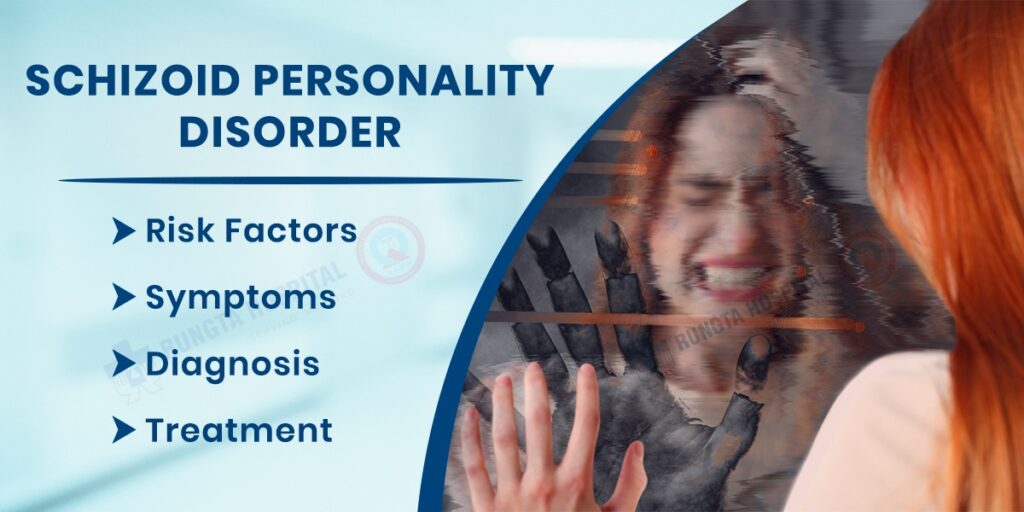
Table of Contents Book An Appointment What Is Schizoid Personality Disorder? Schizoid Personality Disorder (SPD) is a mental health condition characterized by a persistent pattern of social detachment, limited emotional expression, and a preference for solitary activities. Individuals with schizoid personality disorder often appear indifferent to social relationships and may have difficulty forming and maintaining connections with others. This disorder is part of the cluster A personality disorders in the Diagnostic and Statistical Manual of Mental Disorders (DSM-5). In this discussion, we will explore all aspects of Schizoid Personality Disorder, from its symptoms and causes to diagnosis, risk factors, treatment options, and preventive measures. Symptoms of Schizoid Personality Disorder Schizoid Personality Disorder (SPD) is characterized by a set of enduring and pervasive symptoms that affect an individual’s social and emotional functioning. The symptoms typically become evident in early adulthood and are stable over time. Some key symptoms of Schizoid Personality Disorder include: Social Detachment: Individuals with SPD often exhibit a marked lack of interest in forming close relationships. They may prefer to be alone and may not derive pleasure from social interactions. Limited Emotional Expression: Emotional expression is notably restricted, and individuals with SPD may have difficulty conveying a broad range of emotions. They often appear emotionally detached, even in situations that typically elicit strong feelings. Preference for Solitary Activities: There is a consistent preference for solitary activities and a lack of interest in participating in group or social events. Individuals with SPD may choose hobbies or pursuits that can be done alone. Indifference to Praise or Criticism: Those with SPD may seem indifferent to both positive and negative feedback. They often do not seek approval or recognition from others and may appear unmoved by compliments or criticism. Limited Desire for Sexual Relationships: While not universally present, individuals with SPD may show a reduced interest in sexual relationships or may engage in sexual activities infrequently, even if they desire close emotional connections. Difficulty Forming Close Relationships: Establishing and maintaining close relationships is challenging for individuals with SPD. They may have few, if any, close friends and may not feel a strong desire for social connection. Preoccupation with Fantasy or Inner Thoughts: Some individuals with SPD may engage in extensive daydreaming or have a rich inner fantasy life. This internal focus may serve as a substitute for the lack of interest in external social interactions. Aloofness and Coldness: Individuals with SPD may come across as aloof or emotionally distant. They may not respond appropriately to social cues and may seem uninterested in the emotions or concerns of others. Causes of Schizoid Personality Disorder The exact causes of Schizoid Personality Disorder (SPD) are not fully understood, and like many mental health conditions, it is likely to result from a combination of genetic, environmental, and temperamental factors. Here are some potential contributors to the development of Schizoid Personality Disorder: Genetic Factors: There is evidence to suggest a genetic predisposition to personality disorders, including SPD. Individuals with a family history of personality disorders may be at an increased risk of developing schizoid traits. Environmental Factors: Childhood experiences play a significant role in the development of personality disorders. Emotional neglect, lack of positive social interactions, or growing up in an environment where emotional expression is limited can contribute to the development of SPD. Temperamental Factors: Certain temperamental traits may increase vulnerability to schizoid personality traits. For example, individuals who are naturally more introverted, aloof, or prefer solitude may be more susceptible to developing schizoid characteristics. Neurobiological Factors: Abnormalities in brain structure or function may play a role in personality disorders, including SPD. Research suggests that differences in the functioning of brain areas related to emotional processing and social interaction may contribute to the development of schizoid traits. Social and Cultural Factors: Social and cultural factors can shape personality development. Cultural norms and expectations regarding emotional expression and social interactions may influence the manifestation of schizoid traits. Diagnosis of Schizoid Personality Disorder The diagnosis of Schizoid Personality Disorder (SPD) involves a comprehensive evaluation conducted by mental health professionals, typically psychiatrists, psychologists, or other qualified clinicians. Here are key aspects of the diagnostic process for Schizoid Personality Disorder: Clinical Assessment: Mental health professionals conduct clinical interviews to assess the individual’s current symptoms, behavior, and subjective experiences. They may inquire about the individual’s social relationships, emotional expression, and overall functioning. Diagnostic Criteria: The DSM-5 outlines specific criteria that must be met for a diagnosis of Schizoid Personality Disorder. These criteria include pervasive patterns of social detachment, restricted emotional expression, and a preference for solitary activities. The symptoms should be stable and enduring over time. Rule Out Other Disorders: It’s crucial to rule out other mental health disorders that may share similar symptoms. This process helps ensure an accurate diagnosis and appropriate treatment. Conditions such as social anxiety disorder or avoidant personality disorder may present with overlapping features but have distinct diagnostic criteria. Clinical Observation: Clinicians observe the individual’s behavior and interactions during the assessment. Patterns of social withdrawal, limited emotional expression, and a preference for solitude are key observations that contribute to the diagnosis. Collateral Information: Information from collateral sources, such as family members, close friends, or previous treatment providers, may be sought to gain a more comprehensive understanding of the individual’s behavior and functioning. Duration and Stability of Symptoms: SPD is characterized by persistent and stable patterns of behavior. The symptoms should be present for an extended period, typically since early adulthood, and not be attributed to transient stressors or other mental health conditions. Functional Impairment: The clinician assesses whether the symptoms of SPD significantly impact the individual’s social, occupational, or other areas of functioning. The degree of impairment helps determine the severity of the disorder. Cultural Considerations: Clinicians take cultural factors into account during the assessment, considering that social norms and expectations regarding emotional expression and social interactions can vary across different cultures. Risk Factors of Schizoid Personality Disorder Here are some key risk factors associated with Schizoid Personality Disorder: Family History: A family history of personality disorders, including SPD, may increase the risk for an individual. Genetic factors and shared familial environments could contribute to the
Chapped Lips: Symptoms, Causes, Diagnosis, Treatment, and Prevention
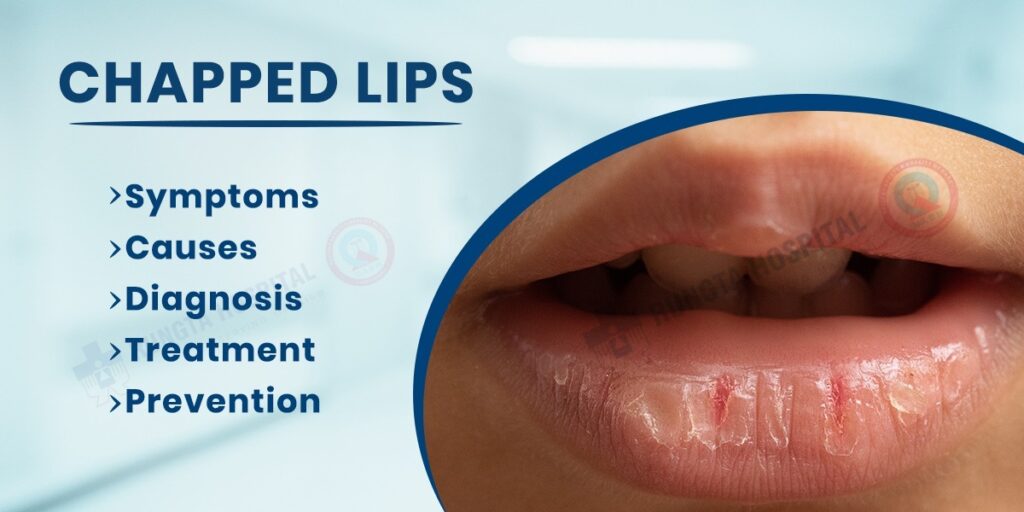
Table of Contents Dry, cracked lips caused by cold or dry weather, sun exposure, lip-licking, or dehydration are the causes of chapped lips. To relieve any discomfort, apply lip balm or ointment to your chapped lips at home. What are Chapped Lips? Lips that feel dry and cracked are known as chapped lips. Your lips are most likely chapped if they sting, burn, or otherwise feel uncomfortable. You may believe chapped lips are a wintertime phenomenon. However, at any time of year, if you do not take extra precautions, your lips could become dry, sore, and scaly. This is particularly true if you use products that irritate and dry out your lips, or if you routinely lick or bite your lips. Causes of Chapped Lips There are several possible causes of chapped lips, commonly referred to as cheilitis. Here are some common causes: ● Dry or Cold Weather: Exposure to cold and dry air can lead to moisture loss from the lips, causing them to become dry and chapped. ● Sun Exposure: Prolonged exposure to the sun without protection can lead to sunburn on the lips, causing them to become dry and chapped. ● Licking Lips: While licking your lips may provide temporary relief, it can worsen the condition. Lips become drier than before as saliva rapidly evaporates. ● Dehydration: Not drinking enough water can lead to overall dehydration, affecting the moisture levels in your skin, including your lips. ● Allergies: Certain lip care products, toothpaste, or even food can cause an allergic reaction leading to chapped lips. ● Medications: Some medications may have a side effect of drying out the lips. ● Breathing through the Mouth: Breathing through the mouth, especially during sleep, can dry out the lips. ● Vitamin Deficiencies: A deficiency in certain vitamins, particularly B vitamins, can contribute to chapped lips. ● Skin Conditions: Certain skin conditions, such as eczema or psoriasis, can affect the skin on the lips. ● Smoking: Smoking can contribute to chapped lips as it can irritate and dry out the skin. Symptoms of Chapped Lips Chapped lips can present with various symptoms, and the severity can range from mild to more severe discomfort. Common symptoms of chapped lips include: ● Dryness: The texture of the lips can be rough and dry.● Flaking or Peeling: Chapped lips often result in the peeling or flaking of the skin on the lips.● Redness: The lips may appear red or irritated.● Cracking: In more severe cases, the skin on the lips may crack, leading to painful splits or fissures.● Swelling: Chapped lips can sometimes be accompanied by mild swelling.● Tenderness or Pain: The lips may feel tender or painful, especially when eating, drinking, or talking.● Bleeding: In severe cases, chapped lips may lead to bleeding, especially if the skin cracks open.● Itching: Some people may experience itching on their chapped lips.● Burning Sensation: Chapped lips can cause a burning or stinging sensation, especially when exposed to certain conditions like wind or cold weather. Diagnosis of Chapped Lips In most cases, the diagnosis of chapped lips is based on the visible symptoms and a medical history. A healthcare professional, often a dermatologist or a general practitioner, will typically perform a physical examination and ask questions about the patient’s symptoms and lifestyle. Here’s what the diagnosis process might involve: 1. Physical Examination: The healthcare provider will visually inspect the lips to observe the extent of dryness, redness, peeling, or any other symptoms associated with chapped lips. 2. Medical History: The doctor may ask about the patient’s medical history, including any recent changes in skincare products, exposure to environmental factors, or the use of medications that could contribute to dry or chapped lips. 3. Lifestyle and Habits: Questions about habits such as lip licking, exposure to harsh weather conditions, smoking, or any other factors that may contribute to dryness will be considered. 4. Underlying Conditions: If the chapped lips are persistent or severe, the healthcare provider may inquire about any underlying medical conditions, allergies, or skin disorders that could be contributing to the problem. In many cases, the diagnosis of chapped lips is straightforward and can be managed with simple lifestyle changes and over-the-counter remedies. However, if the healthcare provider suspects an underlying medical condition or if the chapped lips are not responding to initial interventions, further investigations may be recommended. These investigations might include blood tests, allergy testing, or other diagnostic measures to rule out or identify any contributing factors. It’s important for individuals experiencing persistent or severe symptoms of chapped lips to seek medical attention for a proper diagnosis and appropriate treatment. Additionally, if there are signs of infection, such as increased redness, swelling, or pus, prompt medical attention is crucial. Risk Factors of Chapped Lips Several factors can increase the risk of developing chapped lips. Here are some key risk factors: ● Weather Conditions: Exposure to cold, dry, or windy weather can lead to moisture loss from the lips.● Sun Exposure: Prolonged exposure to the sun without protection can cause sunburn and contribute to chapped lips.● Dehydration: Inadequate water intake can result in dehydration, affecting the moisture levels in the lips.● Lip Licking: Excessive lip licking can strip away natural oils and worsen dryness.● Certain Medications: Some medications may have side effects that include drying out the lips.● Allergies: Allergic reactions to lip care products, toothpaste, or certain foods can contribute to chapped lips.● Smoking: Smoking can irritate and dry out the skin on the lips, increasing the risk of chapping.● Breathing through the Mouth: Breathing primarily through the mouth, especially during sleep, can dry out the lips.● Vitamin Deficiencies: A deficiency in certain vitamins, particularly B vitamins, can impact the skin’s health, including the lips.● Skin Conditions: Conditions like eczema or psoriasis can affect the skin on the lips, making them more prone to dryness and chapping. Treatment of Chapped Lips The treatment of chapped lips involves a combination of preventive measures and topical interventions to soothe and moisturize the lips. Here are
Concussion: Symptoms, Causes, Diagnosis, and Treatment
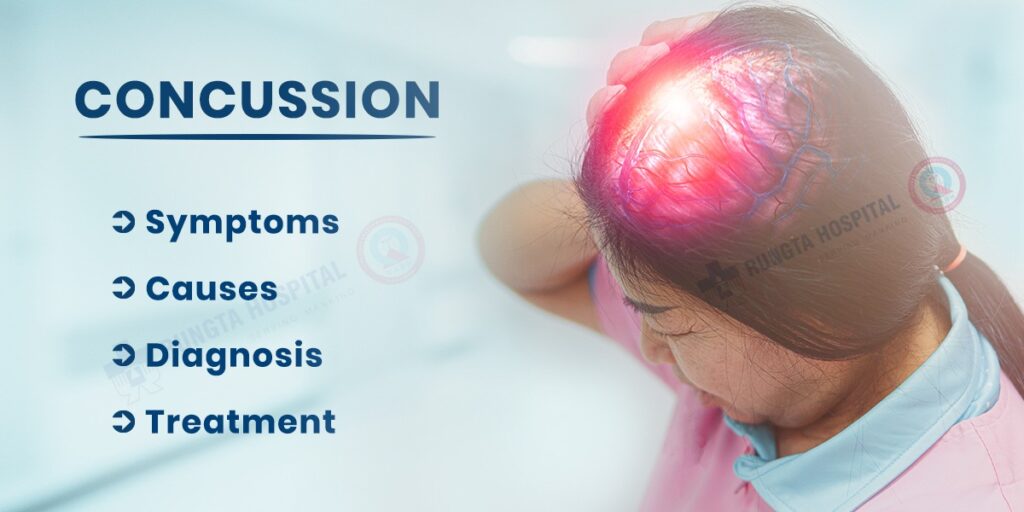
What is Concussion? A concussion is a type of traumatic brain injury (TBI) that occurs when a blow to the head or body causes the brain to move rapidly within the skull. This sudden movement can result in chemical changes in the brain and sometimes damage to brain cells. Concussions are common in sports-related activities, falls, car accidents, and other situations where there is a sudden jolt or impact. If someone is suspected of having a concussion, it’s crucial to seek medical attention promptly. Rest and gradual return to activities are often recommended during the recovery process. It’s essential to allow the brain to heal and avoid activities that could increase the risk of another injury while recovering from a concussion. Repeated concussions can have cumulative and long-term effects on brain health, so it’s crucial to take concussions seriously and follow appropriate medical guidance for recovery. Sports organizations, schools, and other institutions often have protocols in place for recognizing and managing concussions to protect the well-being of individuals involved in activities where head injuries are a risk. Causes of Concussion Concussions are typically caused by a sudden, forceful impact to the head or body that results in the rapid movement of the brain within the skull. Common causes of concussions include: ● Sports Injuries: Concussions frequently occur in contact sports such as football, soccer, hockey, and basketball. Athletes may experience head injuries due to collisions with other players, falls, or hits to the head. ● Car Accidents: Motor vehicle accidents can lead to concussions when individuals involved experience a sudden jolt or impact, causing their heads to strike an object or the interior of the vehicle. ● Falls: Falls, whether from a height or on a flat surface, can result in concussions. This is especially common among young children and older adults. ● Assaults or Physical Altercations: Intentional blows to the head during fights or assaults can cause concussions. ● Bicycle Accidents: Falling off a bicycle and hitting the head on the ground or another object can lead to a concussion. ● Workplace Injuries: Certain occupations, such as construction or those involving heavy machinery, carry an increased risk of head injuries that may result in concussions. ● Military Injuries: Soldiers in combat situations may be at risk of concussions due to explosions or other traumatic events. You can read also:- Silent Heart Attack: Causes, Symptoms and Treatment Symptoms of Concussion The symptoms of a concussion can vary widely, and they may not always be immediately apparent. Symptoms can manifest shortly after the injury or may be delayed by hours or even days. Common symptoms of a concussion include: ● Headache: A persistent or severe headache is a common symptom of a concussion. ● Confusion: Individuals may feel disoriented, have difficulty concentrating, or be unable to remember recent events. ● Dizziness: Feeling lightheaded or dizzy is a frequent symptom of a concussion. ● Nausea or Vomiting: Some people may experience feelings of nausea or may actually vomit. ● Sensitivity to Light and Noise: Concussed individuals may be sensitive to light and noise, finding them bothersome. ● Fatigue: Experiencing fatigue, even with minimal physical or mental exertion, is common after a concussion. ● Balance Problems: Difficulty maintaining balance or coordination may be observed. ● Blurred or Double Vision: Visual disturbances, such as blurred or double vision, can occur. ● Slurred Speech: Speech may be affected, with individuals experiencing slurring or difficulty forming words. ● Memory Problems: Difficulty remembering things, particularly events surrounding the time of the injury, is common. ● Irritability or Changes in Mood: Concussions can lead to changes in mood, increased irritability, or feelings of sadness. ● Sleep Disturbances: Changes in sleep patterns, such as difficulty falling asleep or excessive drowsiness, may occur. Complication of Concussion While most people with concussions recover fully with proper rest and management, there can be complications and potential long-term effects in some cases. It’s important to note that each individual’s experience with a concussion can vary, and not everyone will experience complications. Some potential complications of a concussion include: ● Post-Concussion Syndrome (PCS): In some cases, individuals may experience persistent symptoms that last for weeks or even months after the initial injury. This cluster of symptoms is referred to as post-concussion syndrome and may include headaches, dizziness, fatigue, irritability, and difficulty concentrating. ● Second Impact Syndrome: If an individual sustains a second concussion before fully recovering from the first, they may be at risk of second impact syndrome. This rare but serious condition can lead to rapid and severe swelling of the brain. ● Chronic Traumatic Encephalopathy (CTE): CTE is a degenerative brain condition that has been associated with repeated head injuries, including concussions. It is more commonly found in individuals with a history of multiple concussions, particularly in contact sports or certain professions. Symptoms of CTE may include memory loss, confusion, mood changes, and cognitive decline. ● Cognitive Impairment: Some individuals may experience persistent cognitive difficulties, such as problems with memory, attention, and problem-solving. ● Emotional and Behavioral Changes: Concussions can sometimes lead to changes in mood and behavior, including increased irritability, anxiety, or depression. ● Sleep Disturbances: While sleep disturbances are a common symptom of a concussion, some individuals may continue to experience ongoing sleep problems. You can read also:- 7 Reasons to Eat Watermelon This Summer Diagnosis of Concussion The diagnosis of a concussion typically involves a thorough assessment by a healthcare professional, such as a doctor or neurologist. The process may include the following: ● Clinical Evaluation: The healthcare provider will conduct a comprehensive clinical evaluation, including a detailed medical history and a physical examination. They will ask about the circumstances of the injury, symptoms experienced, and any relevant medical history. ● Neurological Examination: A neurological examination will be performed to assess various aspects of brain function, including cognitive function, balance, coordination, reflexes, and sensory perception. ● Imaging Studies: While a concussion is a functional injury, meaning it does not always involve structural damage visible on traditional imaging (like
Silent Heart Attack: Causes, Symptoms and Treatment
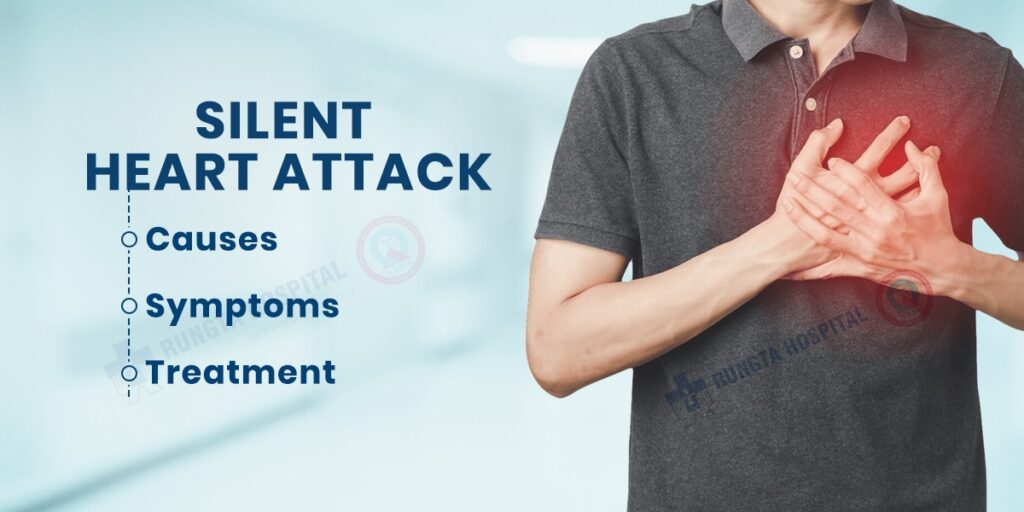
Table of Contents A silent heart attack also called silent myocardial infarction (silent MI) happens when the heart is damaged by blocked blood flow but produces little or no noticeable pain. Because there’s no dramatic chest-clutching moment, many people don’t realize they’ve had one until weeks or months later, when a routine check-up or ECG reveals the damage. A 2021 American Heart Association report estimates that of the approximately 850,000 heart attacks that occur in the U.S. every year, as many as 170,000 roughly 1 in 5 are silent heart attacks, which is why understanding the early warning signs matters as much as recognizing a typical one. (Source: American Heart Association) Despite the lack of obvious symptoms, a silent heart attack causes real, lasting damage to the heart muscle, the same as any other heart attack. Below, we cover what it is, its symptoms, who’s most at risk by age, how it’s diagnosed, and how it’s treated at the best Cardiology hospital in Jaipur. What is a Silent Heart Attack (Silent MI)? Silent MI is a heart condition with no symptoms, or symptoms so mild they aren’t recognized as heart-related. It happens when the heart isn’t getting enough oxygen, usually because a blood clot blocks one of the coronary arteries, or less commonly, because of a coronary artery spasm that cuts off blood flow. Where a typical heart attack causes sharp chest pain and shortness of breath, a silent MI is more likely to feel like nausea or indigestion, which is exactly why it goes unnoticed. A heart attack, silent or not, can occur whether a person is awake or asleep, and is most likely during: Sudden physical exertion after being inactive Outdoor physical activity in cold weather Periods of significant physical or emotional stress You Can Also Read: 4 Sources of Protein for Vegetarians Symptoms Of Silent Heart Attack: Silent Heart Attack is tricky to identify. On the other hand, a person who is experiencing a typical heart attack knows about the health condition immediately. The symptoms of heart attack usually are angina (chest pain), crushing (chest Pressure) and other symptoms or signs that include rapid heartbeats, radiating pain to the back, jaw, neck, shoulder, or back, vomiting, cold sweat, nausea, and lightheadedness. With a Mini Heart Attack, all or many of the symptoms that a person usually experiences during the occurrence of a standard Heart Attack might be missing, or you may experience mild symptoms that are often mistaken for conditions such as heartburn. Myocardial infarction is often characterized by the absence of symptoms, i.e. chest pain, which is quite a notable symptom. It is quite common for young people who think of themselves as less slightly getting Heart attacks and thus overlook their heart health altogether while delaying the treatment or diagnosis at the best hospital in Jaipur for weeks, months and even years. What Are Silent Heart Attack Symptoms? The symptoms people with a silent MI most commonly notice, usually without connecting them to their heart include: Indigestion, flu-like feeling, or unexplained fatigue Sore or aching muscles in the chest or upper back Mild ache in the arms, jaw, or upper back Unusual shortness of breath during light activity A vague sense of unease or discomfort that passes quickly Younger people especially tend to assume they’re “too young” for a heart attack, and delay diagnosis or treatment for weeks, months, or even years as a result. Silent Heart Attack and Age: Who’s Most at Risk? Silent MI risk isn’t limited to older adults, but age is one of the clearest risk factors: Risk rises sharply after age 45–55, particularly in people with existing conditions like diabetes or high blood pressure. Men are statistically more likely than women to have a silent heart attack, though women’s symptoms are more often missed or misattributed when they do occur. Post-menopausal women and women who had preeclampsia during pregnancy face elevated risk, independent of age alone. Younger adults with diabetes, obesity, or a family history of heart disease can also be at meaningful risk, even in their 30s and 40s age lowers risk, but doesn’t remove it. If you fall into any of these groups, routine cardiac screening, even without symptoms is worth discussing with a cardiologist. How does a Silent Heart Attack affect your body? Myocardial Infarction or Mini Heart Attack can severely damage the heart, just like a typical or more obvious heart attack, as it doesn’t allow oxygen to reach the heart. A person who doesn’t experience any kind of symptoms and may not know that they are having a heart attack may not get the right medical help that can limit the damages of the attack. It can also lead to higher risks, such as heart failure. A 2018 study published in JAMA Cardiology found that people who had a silent heart attack fared progressively worse over time compared to those who hadn’t, with an increased risk of future cardiac events. Because the initial event often goes untreated, silent heart attack survivors face a meaningfully higher risk of a second heart attack, heart failure, or other cardiovascular complications down the line. What Increases Your Risk Of Having A Silent Heart Attack? As per researchers, a Silent Heart Attack may occur due to some of the major risk factors, including: In comparison to women, men are more likely to have a silent heart attack by 1.7 times. People suffering from chronic kidney diseases or are on dialysis are more likely to have a heart attack and Myocardial infarction. People who are suffering from type 2 diabetes have eight times higher chances of getting a heart attack in comparison to people who don’t. Obesity, high level of cholesterol, high blood pressure and stress also increases the chances of an attack. People who have unhealthy lifestyles, do not exercise daily, and consume tobacco are likely to have heart attacks. Women having preeclampsia during pregnancy or are above 55 of age have higher chances of having an attack. People
4 Sources of Protein for Vegetarians

It is a myth that only non-veg food such as chicken and fish are the only food rich in protein. There are many vegetables, nuts and pulses that are rich in proteins. Some of the good options of protein for vegetarians ar mentioned below: Oats It is amongst the most nutrient-dense food that can be taken. Its quality protein is around 11-17% of the dry weight which is relatively greater than most other grains. The two significant proteins present are avenalin and gluten, with a high portion of other nutrients. Quinoa A grain that is a powerful source of protein, and is low in fat, and rich in other nutrients. Each cup is approximately 9 grams of protein & is excellent for diabetic patients as well. Lentils This edible legume contains about 9 grams of protein in every 100 grams. It is rich in protein and other nutrients, whereas is low in fat which all the more makes it a perfect substitute for a meal. Nuts Cashew nuts and almonds are excellent sources of proteins. About 20 to 25 whole almonds can give about 6 grams of protein. Mixed nuts provide a boost of energy and are rich in nutritional value.
Warning Signs of Heart Attack

A heart attack is a medical emergency that usually occurs when blood flow is restricted to the heart. Without a proper supply of blood, oxygen loss is created and hence the heart muscle stops functioning. It may cause a myriad of symptoms, but in some cases might also be asymptomatic. Not all the symptoms of the disease are evident in the form of precordial chest pain, but also may radiate to other parts of the body such as the left arm. So in order to minimize the possibility of any such occurrence, or to increase awareness to ensure medication on time, it is important to keep a note of all the symptoms in line with a heart attack. You may feel shortness of breath, with or without chest discomfort Discomfort in the upper body area including the arms, neck, jaw, stomach, etc Conditions like nausea and vomiting might also prevail, alongside pain in the chest Cold sweat can also be a felt, especially in palms and forehead- this usually occurs at rest Discomforts in the chest area may also be felt- uncomfortable pressure, fullness, pain, or squeezing maybe Fatigue Lightheadedness or dizziness Apart from these, there are several other warnings of a heart patient. Saying that, these are the most evident ones. Unusual but true- Symptoms of a heart attack may vary between men & women. While women are more likely to feel shortness of breath, nausea, or back pain, men are more likely to feel chest pain or discomfort.
7 Reasons to Eat Watermelon This Summer

Watermelon is a delicious and refreshing fruit. It contains only 46 calories per cup but is high in many kinds of vitamins such as vitamin A, C, and many other health compounds otherwise. Listed below are the top reasons why watermelon should be eaten: It contains beta carotene which helps in dealing with vision problems. Moreover, beta carotene also helps in fighting various colds and infections beta carotene also helps in fighting various colds and infections It helps in hydrating the body. Interestingly, watermelon is 92% water It helps to improve the digestion of the body. It contains lots of water and a small amount of fiber, both of which are good sources to improve digestion. Fiber is an element that adds bulk to your stool, whereas water ensures the efficient movement of food through the digestive tract The two vitamins present in watermelon, i.e A & C, are responsible for maintaining healthy skin and hair. Vitamin A is responsible for creating and repairing skin, whereas Vitamin C helps in maintaining strong hair and supple skin due to the presence of protein in it Helps with a healthy flow of blood, which therefore reduces the chance of cardiovascular problems and can also, therefore, alleviate muscle cramps It reduced water retention, balances hormones, and strengthens the immune system It also helps reduce muscle soreness, helped by the presence of amino acid citrulline in it.
7 Important Reasons to Intake Garlic

Garlic is a herb grown around the world, yet native to Siberia. Apart from pleasing the taste buds, it is also used to treat a variety of medical conditions. Modern science has also confirmed its beneficial health effects. Some are listed below as well: Garlic when intaken, lowers the blood pressure. One of the most important drivers of cardiovascular diseases is a variation in blood pressure. Researchers have found that garlic supplements have a significant impact on reducing blood pressure in people with high blood pressure. It is also seen that supplement doses are equivalent to four cloves of garlic per day, and are hence effective. It also functions as a natural antibiotic, helping to reduce the severity of common illnesses like the flu and common cold. Garlic, even though it has low calories but is incredibly nutritious, with being a rich source of vitamin C, vitamin B6, manganese, along various other nutrients. Garlic is also known to contain antioxidants that protect against cell aging and damage. It is also seen as a substance reducing the risk of Alzheimer’s disease and dementia. It is reported that odorless garlic demonstrates antithrombotic activities, and therefore is an effective remover of blood clots. Apart from removing blood clots, it also is an essential blood thinner in the body. The herb also contains anti-microbial properties that are integral to kill bacterias that are responsible for causing damage to the scalp. The destruction of the bacteria, therefore, promotes hair growth. Moreover, having a rich source of Vitamin C is another advantage for hair health. Garlic also effectively helps in reducing toothache pain. When crushed, an antibacterial compound called allicin is released, which therefore temporarily reduces tooth pain.
Where not to wear contact lenses?
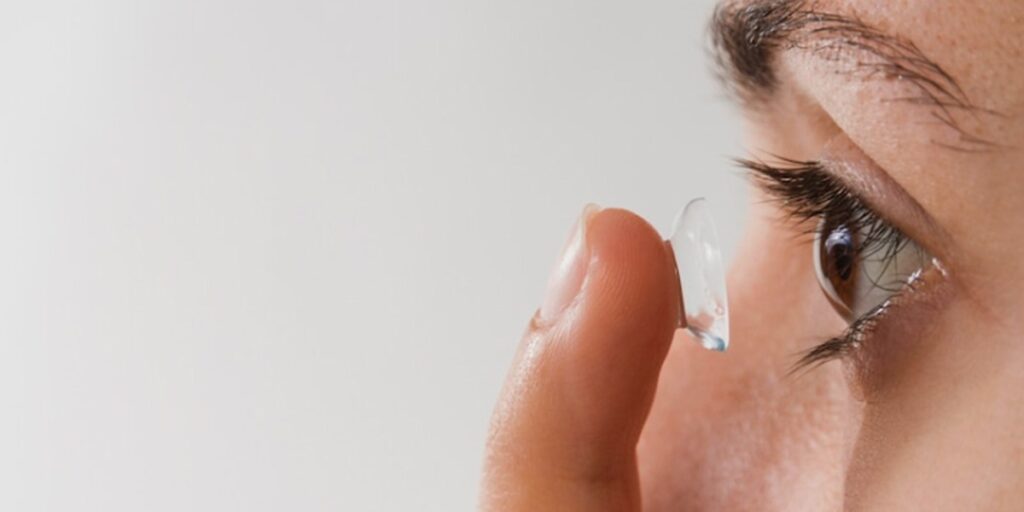
Contact lenses are thin lenses placed directly on the surface of the eyes. It is estimated that over 150 million people worldwide make use of these ocular prosthetic devices. These transparent thin discs are for both cosmetic and therapeutic reasons and are typically soft and easily accessible. Even though they are a safe and effective way to correct vision for most people, there are certain directions avoided by the people which leads to serious unavoidable circumstances. There are several directions guided by an eye specialist, which are, however, overlooked by most people worldwide. Let’s start with an instance. There was a girl who visited a party, and suddenly her eyes got red and full of water. No one there knew why this happened. She got admitted to the hospital and that’s when she got to know that she has become permanently blind because of her contact lenses. Below are the following possible reasons for the same, suggested by the doctor: Contact lenses are made of plastic and the girl might have possibly worn them in places of heat such as that near flames or cooking. That is what possibly melted her contact lens. She possibly got makeup, hairspray, or other cosmetics after she put on her contact lens. Using hairspray is safe until the eye is closed but however might be dangerous when the lens is put on. She might have swum in the swimming pool with contact lenses, which is destructive as chlorine and chemicals can increase the risk of bacterias that reside in the pool. She might have used someone else’s contact lenses even though the prescription might be the same. The implication behind using someone else’s contact lens is because of the size as every lens fits differently to everyone. She might have stored her lens without a solution which leads to a quick dry-up of the same. She might have not rinsed her contact lenses before wearing them. The protein deposits are loosened while soaking and therefore need to be cleaned before inserting in the eyes. She might have used tap water to rinse and soak her lenses. Minerals and impurities in the water can lead to bacterias being absorbed through the eyes and can lead to further infections. She might have worn her lenses with dirty hands. She might have touched her lenses with saliva. Using saliva can be dangerous because of the potential number of bacterias in the same solution.