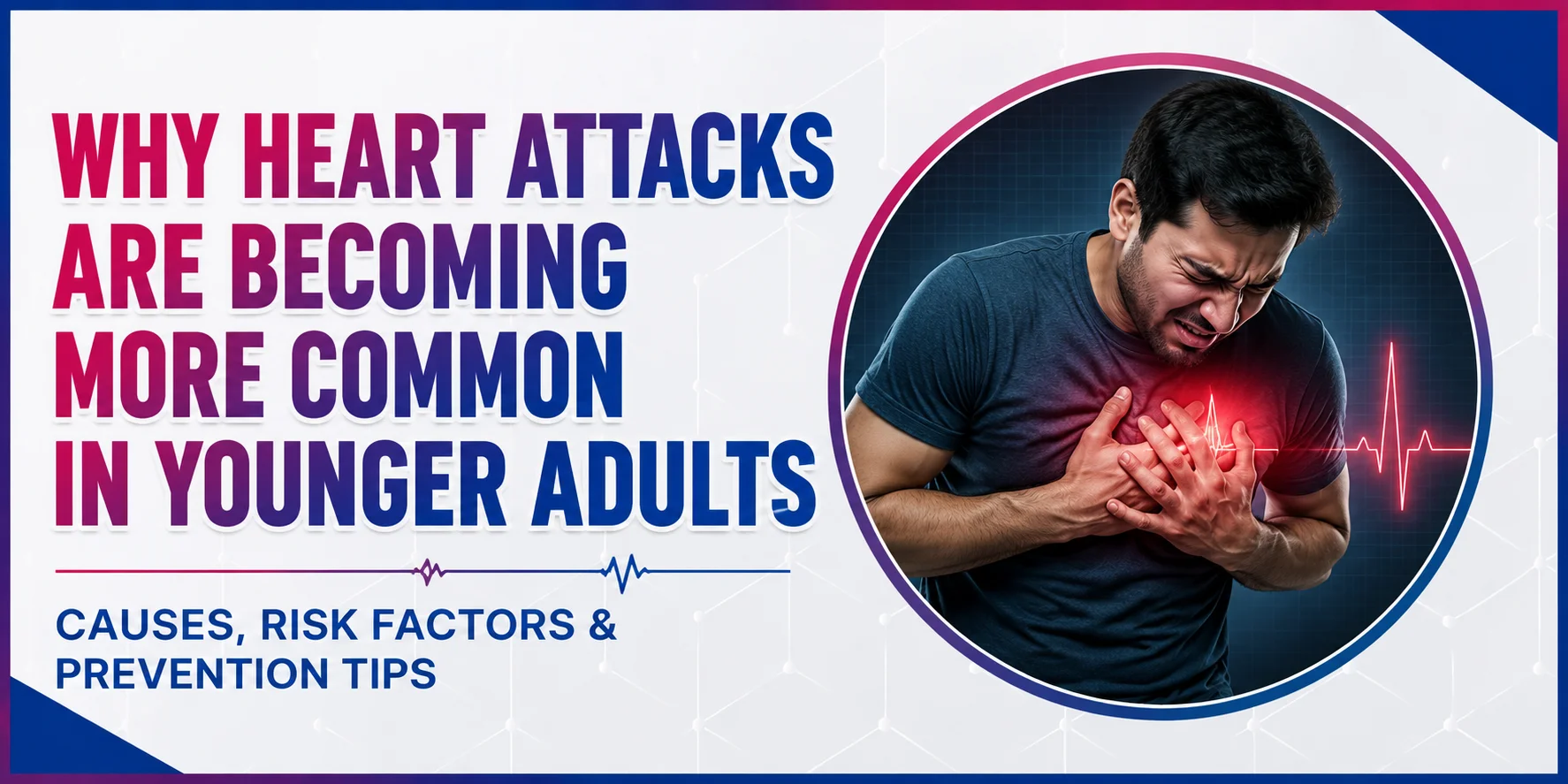
Heart disease is no longer limited to older adults. Across India, doctors are seeing an increasing number of cases involving heart attack in young adults, including people in their late 20s and 30s. The rising trend has created a significant health problem in that many people who are younger don’t know or feel the early warning signs or that they are at risk.
Busy lifestyles, work stress, poor food choices, lack of physical activity, and increasing stress drive this change. Most of the time, heart disease progresses undetected for a number of years.
Specialists at Rungta Hospital, a leading cardiology hospital in Jaipur, are increasingly treating younger patients for serious cardio problems. Awareness of the causes, symptoms and prevention measures can help cut the increasing threat to heart disease in young Indians.
The rise in rising heart attacks in young Indians is closely linked to changing lifestyle patterns. Compared to previous generations, many people today spend long hours sitting, consume more processed food, sleep less, and experience higher mental stress.
Several habits are increasing cardiovascular risk at a younger age:
Young professionals often ignore early symptoms because they assume heart disease only affects older adults. Unfortunately, delayed attention can make heart conditions more dangerous.
One of the biggest concerns today is stress and heart attack risk. Chronic stress affects both mental and physical health, placing constant pressure on the cardiovascular system.
Stress can:
People dealing with long working hours, emotional stress, and unhealthy routines may unknowingly increase their heart risk over time.
Modern diets often contain:
These foods increase cholesterol levels and may lead to blocked arteries. Fast food and low physical activity both significantly affect heart health.
Smoking damages blood vessels and reduces oxygen supply to the heart. Even occasional smoking is also dangerous, it can increase cardiovascular risk in younger adults.
Excessive alcohol intake may also contribute to:
A lot of young people sit at desks or use screens for extended periods of time during the day. Lack of physical activity reduces cardiovascular health and raises obesity, diabetes and cholesterol imbalance risks.
It is important to use simple exercises such as walking, stretching, riding a bike, or, of course, exercises to greatly enhance heart function.
Certain medical conditions can increase the risk of heart disease at a younger age, including:
Regular checkups are important because many of these conditions may not show symptoms initially.
Recognizing heart attack symptoms in young adults early can help prevent severe complications. Many people mistake warning signs for acidity, stress, or fatigue.
This is one of the most common symptoms. Some people experience:
The discomfort may spread gradually or appear suddenly.
Heart pain sometimes spreads to:
These symptoms should never be ignored.
Sometimes there are significant cardiac events preceded by such general symptoms as extreme fatigue or unusual weakness for no apparent reason.
In Rungta Hospital Cardiology Services, a Best heart hospital in jaipur,, these symptoms are an incentive for early consultation.
New lifestyle trends are taxing young adults. Unbalanced work-life, inadequate sleep, unhealthy eating habits and overuse of screens are taking a toll on cardiovascular health now more than ever.
Sleep deprivation itself can increase:
Many people also rely heavily on caffeine, smoking, or fast food to manage stress, which further increases cardiovascular strain.
Maintaining emotional and physical balance is becoming essential for long-term heart protection.
Understanding how to prevent heart attack at young age is important because prevention is often more effective than treatment.
Choose foods that support heart health:
Avoid excessive processed food and sugary beverages.
Regular physical activity helps:
Improve blood circulation
Even 30 minutes of walking daily can make a significant difference.
Healthy stress management techniques include:
Reducing stress levels supports both heart and mental health.
Routine health screenings help identify early warning signs before they become severe.
Important tests include:
Many patients choose Rungta Hospital Heart Care Department, regarded by many as a Top heart hospital in jaipur, for preventive heart care and advanced cardiac treatment.
While the medical advice is not required for young adults, they should seek medical advice if they experience:
Early diagnosis will help to avoid serious complications and better treatment outcomes.
The patients seeking advanced cardiac expertise will seek the Best heart surgeon in jaipur for advanced cardiac treatment and long-term cardiac care.
This rise in the number of heart attacks in young adults is a serious reminder that heart health should never be overlooked, no matter how young. Unhealthy lifestyle and habits, stress and lack of preventive care are posing cardiovascular risks to Indians of tomorrow.
While it is true that many heart-related issues can be avoided if people make better lifestyle choices, exercise regularly, manage stress and visit their doctors for regular checkups, the positive side is that this is possible. Taking initiative today by seeking out early signs and symptoms, and taking preventive measures, can help you maintain good health of your heart in the future and overall health in life.