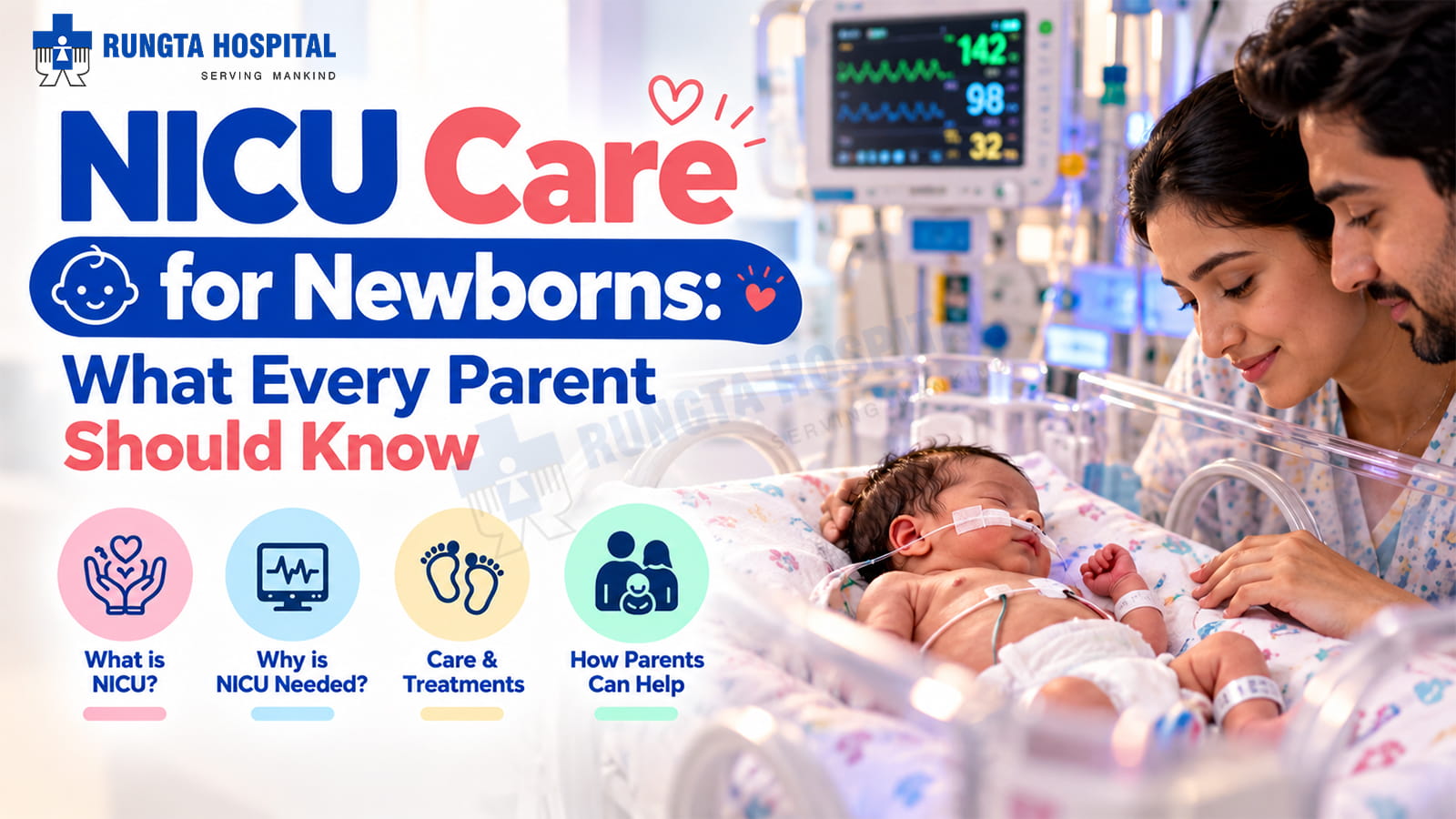
NICU, or neonatal intensive care unit, is a hospital division that provides medical attention to newborns requiring care. Neonatal intensive care unit comes into play when the baby is born prematurely, weighing too little at birth, or suffering from breathing problems or any other condition that requires close monitoring. Thus, NICU consists of specialized hospitals and experienced medical staff who are trained in the field of newborn medicine. The main target is to make sure that the baby is in a good medical condition and gaining weight.
NICU maintenance might comprise:
While many babies are born without complications, some may require extra medical assistance. The choice of putting the baby in the Neonatal Intensive Care Unit depends on many factors, such as how healthy the infant is, gestational period, and delivery weight. The most common reasons for being admitted to the NICU are:
Premature birth: Babies born before the 37th week of gestation suffer from underdeveloped lungs, immature digestive system, and inability to control body temperature. The method of caring for premature babies focuses on helping them breathe, keep warm, and learn to feed.
Low weight at birth: Newborns with low weight at birth may have difficulty controlling their body temperature and instabilities in their metabolism.
Breathing problems: Babies may have breathing issues after birth due to problems reaching breathing independently or due to their lungs not being completely mature.
Infections: Newborns are prone to some types of infections because their immune systems are not yet strong enough. Babies who have an infection will get treatment like antibiotics, laboratory tests, and close monitoring.
Complications caused by the delivery: Complicated deliveries, lack of oxygen, or other issues have to be addressed right away.
Other illnesses: Cleft palate, low blood sugar, jaundice, or eating issues can necessitate NICU treatment.
Being admitted into the NICU is not an indication that a baby is suffering from a major issue.
The neonatal ICU treats a wide range of medical conditions that can affect newborns in their early hours, days or weeks of their lives.
Premature babies may have difficulties breathing as their lungs are still developing. Depending on the severity of the condition, treatment may involve using oxygen, applying a mild respiratory aid or putting the baby on a ventilator.
Jaundice causes yellowing of the skin and eyes due to the increase of bilirubin level. When the bilirubin level rises extremely high, treatment may involve the use of phototherapy. This means using light therapy to help the baby decrease bilirubin levels.
Infections can be very dangerous in new born babies. Physicians may start testing and give antibiotics as soon as they notice the first signs of infection.
Some infants may struggle with the ability to coordinate sucking, swallowing, and breathing while others may lack strength required to self-feed. In such situations, health care providers may consider interventions whereby expressed milk is fed to the infant through a feeding tube. It is important to monitor the baby’s weight and feeding.
Newborns, particularly those born prematurely or having low birth weight, may struggle with maintaining normal blood levels and regulating their body temperature. Regular blood sugar testing, proper nutrition, and temperature-regulating equipment can be used to deal with such issues.
When a baby is hospitalized in the NICU, it can bring a lot of stress to the parents. It can be hard to see your child with tubes or wired to machines. When you know more about what happens, it will be less difficult.
In the first hours, the medical staff will monitor the baby’s breathing, heartbeat, temperature, oxygen levels, and other signs.
During their stay, parents can expect to receive:
NICU care is not only about addressing urgent medical issues but also about the assistance with the baby’s growth and development.
Ans. Doctors evaluate the baby’s breathing, heartbeat, body temperature, their supply of oxygen, and their general condition in the first few hours. Along with this, blood tests and other procedures may also be carried out according to the requirements of the baby.
Ans. All premature infant babies are placed in incubators along with machines that provide assistance with breathing and feed them regularly. Apart from that, all other vital signs of the babies are checked on a regular basis. The weight of the baby is also noted till the baby is released.
Ans. Some of the common monitoring techniques include the use of heart rate monitoring machines, machines that monitor breathing, and oxygen saturation monitoring machines. In addition, the temperature of the baby’s body is also regularly recorded.
Ans. Feeding determines the category of feeding through its specific development stage, health status, and capability to feed. Doctors or nursing personnel commonly prefer using breast milk as the best choice especially if the baby is ready to feed. Nonetheless, it is important to note that some newborns encounter feeding difficulties, so premade breast milk or formulas can be used along the feeding tube.
Ans. A baby in the NICU can be discharged when he/she is stable, can maintain his/her temperature, has achieved feeding, and can breathe normally thus not requiring help. The health care team is responsible for ascertaining whether the parent has understood what is required of the baby.
Newborn intensive care units, also called NICUs, are significant in providing health care when there is a need for further medical assistance after birth. Babies in NICU might need help with prematurity, respiratory issues, infections, feeding issues, and development problems.
It is necessary for the parents to know about the importance of NICU and the work of health professionals to help in easing the phase. The recovery journey of each baby is different, whereas timely support is of great importance.
Rungta Hospital Jaipur highlights the need for constant care of newborns as well as treating those who need to be diagnosed in a timely manner. The parents of newborns need to consult a pediatrician or neonatologist for medical help.