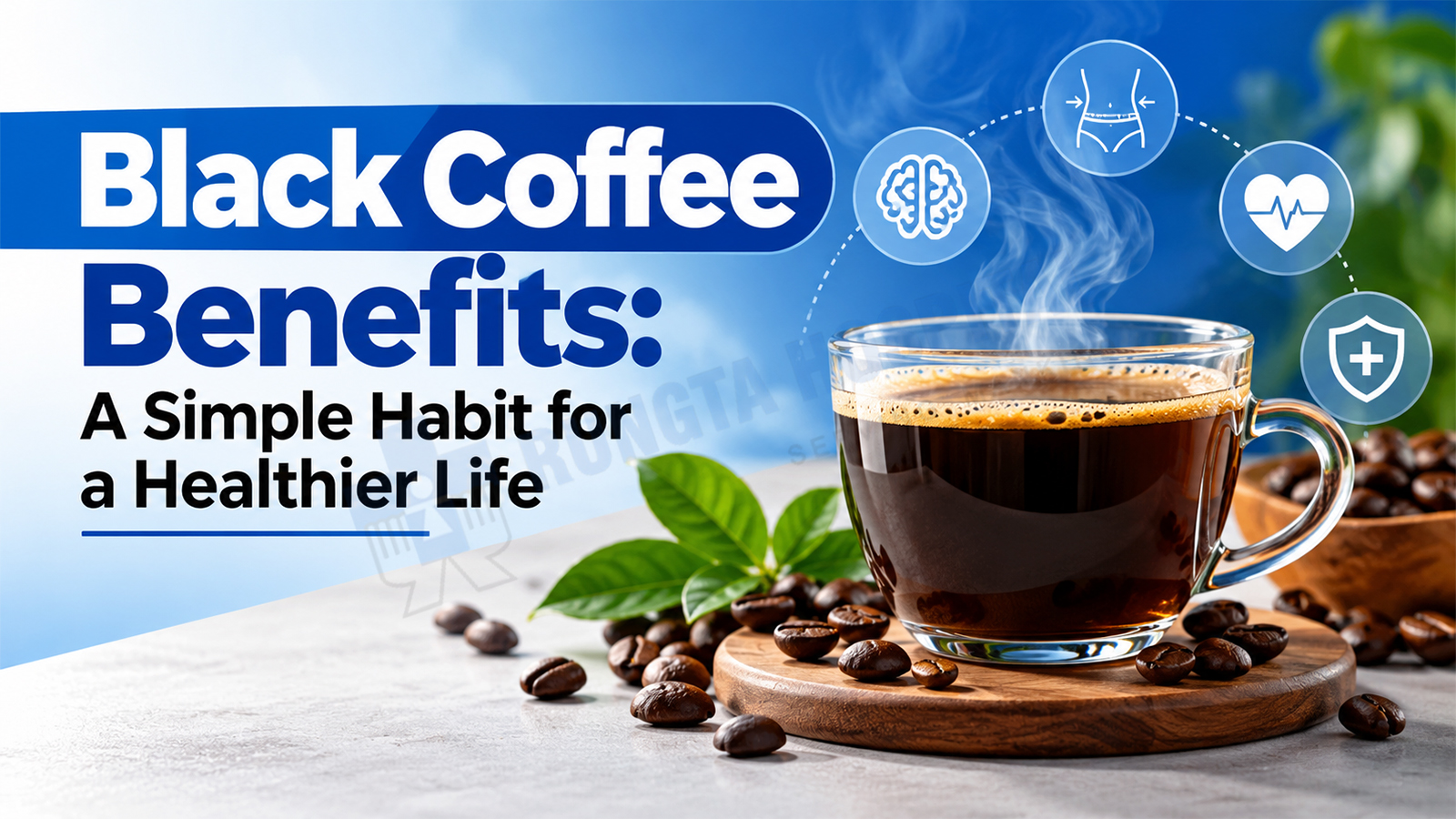
Have you ever thought about whether that cup of coffee you have every morning does anything besides wake you up? Black coffee is a widely enjoyed, low-sugar, low-fat, low-cream beverage. Beyond boosting energy, black coffee can improve concentration and physical performance, and in moderation, it may also positively affect metabolic health. Here’s a look at black coffee’s health benefits.
But black coffee isn’t a miracle drink. Its benefits depend on your intake, overall habits, and caffeine sensitivity.
Basically, black coffee is roasted coffee beans ground and extracted with hot water, with no milk or cream, artificial sweetener or sugar. It contains caffeine, antioxidants and plant-based compounds that give coffee its flavour and potential health benefits.
A standard cup of plain black coffee has about 2–5 calories, though the precise number varies with serving size and preparation method. It is also naturally low in both carbohydrates and fat.
Black coffee’s health benefits mostly come from its caffeine content and naturally occurring antioxidants. Some of the best health benefits of black coffee includes:
Over the years, coffee has been said to contain components like chlorogenic acids and other antioxidants that protect the body’s cells from oxidative stress. So, balancing your diet with fruits, vegetables, and whole grains remains essential for overall health.
Caffeine can increase energy and reduce perceived exertion before and during exercise. Drinking coffee before exercise might give you more energy and increase your exercise capacity.
Consuming coffee regularly can reduce the risk of some liver problems. This research does not prove that coffee can treat or prevent liver disease. If you have a liver-related problem, talk to a doctor.
Some studies associate moderate coffee drinking with a lower risk of type 2 diabetes. But it’s complicated. Coffee cannot substitute for healthy foods, exercise and the medications we’re already taking to control the disease.
Caffeine works by blocking adenosine, the chemical messenger that makes us sleepy. As a result, caffeine tends to make people more alert, more attentive, and quicker to react.
So, drinking a cup of black coffee might give you a little more mental clarity for a busy morning or a challenging task. It may also temporarily ease your fatigue.
But coffee is no substitute for sleep. Drinking too much coffee may lead to restlessness, nervousness, or trouble focusing in sensitive individuals.
Many of us drink black coffee in the morning because it helps us feel awake and alert as we start our day. Drinking it after waking may improve alertness, especially if you had a poor night’s sleep.
Morning coffee can also be a low-calorie option compared to sweetened tea, sugary drinks, or flavoured coffee beverages. If you love the taste, it can easily become part of your daily routine.
The best time to have coffee isn’t the same for everyone. If you have acidity, a gastric upset or feel nauseous when you have coffee, have it with or after breakfast rather than on an empty stomach. Do not have coffee at night if it disturbs your sleep.
What else makes black coffee good for weight loss? It is low-calorie and contains caffeine, which boosts short-term metabolism and improves exercise performance.
It might help some individuals stay alert when working out. Choosing plain coffee over high-calorie coffee beverages may help cut calorie intake throughout the day.
Nevertheless, black coffee does not reliably burn body fat. Weight loss generally comes down to maintaining a calorie deficit, eating nutritiously, exercising regularly, and sleeping well.
Don’t use coffee as a meal replacement or rely on high caffeine amounts to suppress your appetite.
You can read also:- What Happens in the ICU? A Guide for Patients’ Families
According to the US FDA, 400 mg of caffeine a day is usually not associated with dangerous negative effects for most healthy adults. This is a general recommendation, not necessarily a daily amount you should aim for.
The caffeine can vary widely depending on the bean variety and roast, brewing method and cup size. Even consuming less coffee, some people may experience its side effects.
If you have a caffeine sensitivity, start with a lower dose. Don’t forget that caffeine from tea, energy drinks, and chocolate also contributes to your daily caffeine intake.
Black coffee might have some potential benefits, but having too much can result in:
If you experience any of the symptoms mentioned above, reduce your intake or try switching to decaf. Consult your doctor if symptoms persist and may not be related to coffee.
Some people should stop drinking coffee or speak to a doctor before consuming it. These can include:
Individuals with underlying health conditions should check with their doctor about appropriate caffeine intake.
The black coffee advantages are that it can make you more alert, help your antioxidant levels, could boost your ability to exercise and has fewer calories than many other typical products you are drinking. These advantages are most likely to support a healthy lifestyle when you drink black coffee in moderation, and it doesn’t disrupt sleep or cause other symptoms.
For personalised advice, contact the right doctor or medical department at Rungta Hospital. Doctors can help you better understand caffeine’s role in your specific health profile if you have high blood pressure, digestive issues or other pre-existing health conditions. Book an appointment at Rungta Hospital today.
Just keep in mind that a healthy routine is based on eating well, getting enough sleep, moving your body, and seeing a doctor when necessary. For many, black coffee fits perfectly into this routine.
1. Is black coffee good for health?
Ans. Yes, drinking black coffee can help you in waking up and is rich in antioxidants.
2. Does black coffee have calories?
Ans. Yes, plain black coffee has roughly 2–5 calories in a cup.
3. Does drinking coffee raise cortisol?
Ans.Yes, caffeine causes a short-term increase in cortisol.
4. Is black coffee good for BP patients?
Ans. May increase blood pressure. Check with your doctor before consuming.