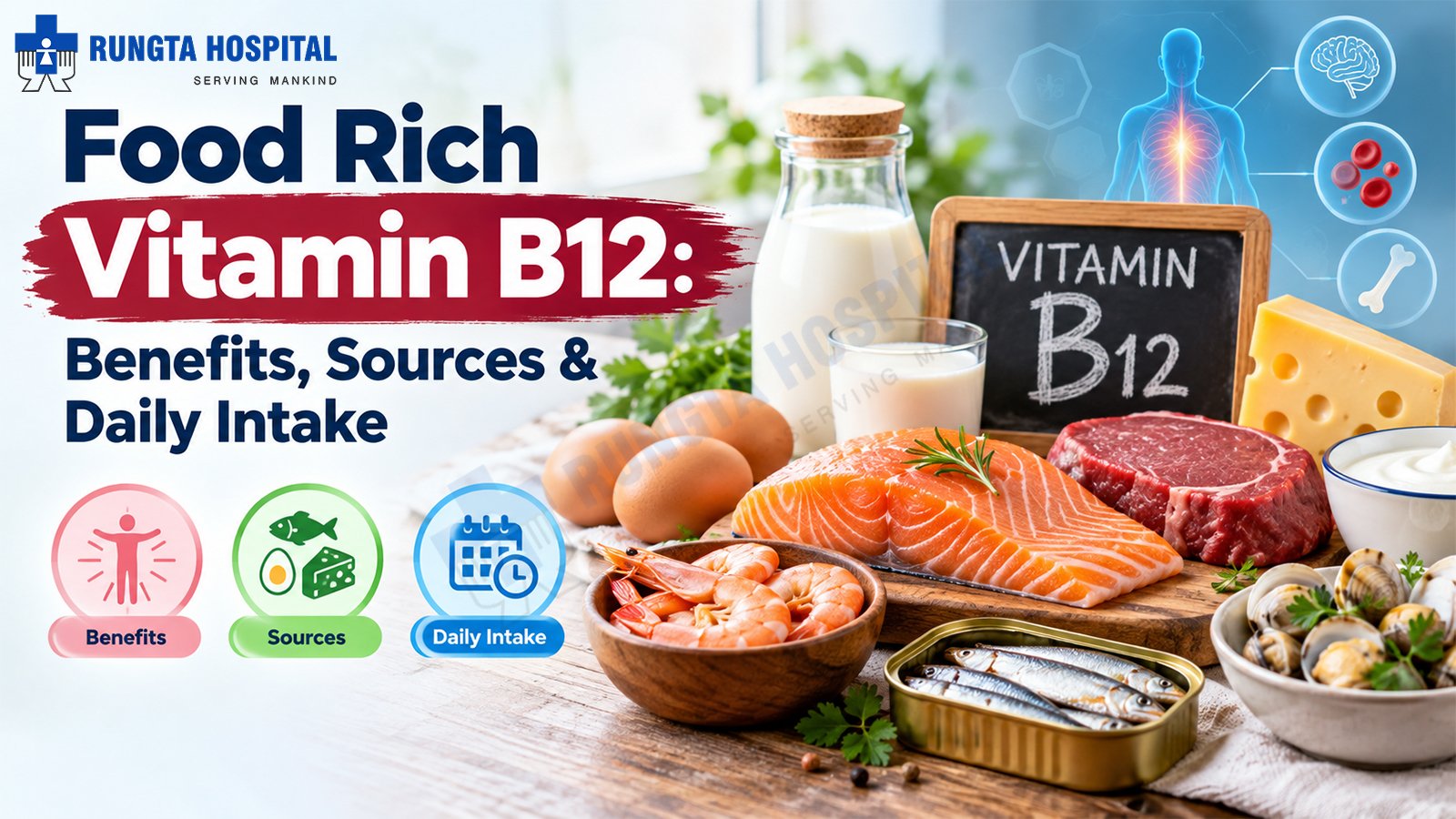
Facing health issues? Feeling tired, having issues with concentration, and experiencing weakness can be a sign of vitamin B12 deficiency. This vitamin is quite essential and may be required in small amounts on a daily basis, but it plays a major role in helping the overall functioning of human body and keeping it healthy.
Food rich vitamin B12 consumed on a daily basis can help you in supporting your red blood cells, DNA production, energy metabolism and nerves. So, what are different types of food sources that are rich with vitamin B12?
If that’s what you’re wondering, then here is a blog helping you understand vitamin B12 and its sources:
Before focusing on the best food for vitamin B12, let’s learn about its importance here:
Vitamin B12, a water-soluble vitamin, is indeed one of the most essential vitamins for overall human body and its functions. Also known as cobalamin, it helps in:
It also prevents weakness and fatigue. However, your body cannot make vitamin B12 naturally so that you can fulfil the need for the vitamin with the help of supplements and food.
Why every individual needs to include foods rich in vitamin B12 in their daily diet? What are its benefits? There are plenty of benefits, such as:
What is some top food rich Vitamin B12? Which food are really essential to include daily in my diet? If these are some questions that you are thinking about, then let’s know about it in detail here:
Animal-Based Sources of Vitamin B12:
Animal-based foods are not only rich in vitamin B12, but also offer other essential nutrients such as protein, calcium, and more. If you’re searching for non-vegetarian vitamin B12 sources, then some of the few options that you can consider include:
Vegetarian Foods Rich in Vitamin B12
For vegetarians, it can become quite difficult to maintain a healthy vitamin B12 intake on a regular basis, as most foods don’t contain it naturally. Some popular product options include:
Note: Make sure to check the ingredient list for vitamin B12/cobalamin.
Now that you know about vitamin B12-rich foods, you are probably wondering how much B12 you need to consume on a daily basis. Well, it depends upon the age and life stage of an individual.
As per the National Institutes of Health (NIH), on average, the daily B12 intake for adults is 2.4 mcg per day. For pregnant women, it is 2.6 mcg per day. It differs for breastfeeding women, which is 2.8 mcg per day.
In comparison to non-vegetarians, vegetarians and vegans may need to pay extra attention to supplements and fortified foods in order to meet their daily vitamin B12 intake.
You can read also:- What Happens in the ICU? A Guide for Patients’ Families
Before you start consuming food rich in vitamin B12 in your daily diet, it is best to know about the average daily intake as per your age and life stage. Let’s know about it with the help of the table below:
Age Group | Recommended Daily Vitamin B12 Intake |
Birth–6 months | 0.4 mcg* |
7–12 months | 0.5 mcg* |
1–3 years | 0.9 mcg |
4–8 years | 1.2 mcg |
9–13 years | 1.8 mcg |
14–18 years | 2.4 mcg |
Adults 19+ years | 2.4 mcg |
Pregnant women | 2.6 mcg |
Breastfeeding women | 2.8 mcg |
Vitamin B12 deficiency can take a toll on your body as it plays an important role in supporting overall health. That is why make sure to include food rich vitamin B12 for better health. Suffering from a deficiency and not sure what to do? Wondering about your nutritional status?
Rungta Hospital is one of the most trusted hospitals that you can count on for dedicated clinical nutrition and dietetic support. We offer a comprehensive range of services, from whole-body checkups to diagnostic testing facilities, to better understand your nutritional needs.
Reach out to our expert team today and get custom guidance for better health and overall well-being.
Some food rich vitamin B12 in non-vegetarian categories include fish, chicken, liver, eggs, and dairy products, such as milk, yoghurt, and cheese.
No, plant-based foods do not contain vitamin B12 naturally. Some fortified foods rich in vitamin B12 include nutritional yeast, tofu, soya milk, breakfast cereals, and dairy products.
Some of the common symptoms of deficiency include tingling in both hands and feet, weakness, fatigue, numbness, memory issues, mood swings, and pale skin. It is best to include vitamin B12-rich foods and supplements to balance your regular B12 intake.
On average, adults require 2.4 micrograms of vitamin B12 per day. However, it differs as per age and life stage. One can consume foods with vitamin B12 sources to meet the daily consumption requirement.