![29 NICU Care for Newborns [rungta].jpg.jpg](https://rungtahospital.com/wp-content/uploads/2026/10/29-NICU-Care-for-Newborns-rungta.jpg.jpg.jpeg "Kidney Stones: Symptoms, Causes, Treatment & Prevention 2")
If you’ve ever had a kidney stone, you probably remember the exact moment it hit. The pain comes out of nowhere, and it doesn’t feel like normal back pain, it feels like something is seriously wrong. And honestly, that instinct is right. Kidney stones can be intensely painful, even though most of the time they aren’t dangerous if treated properly.
If you’re dealing with symptoms right now, or you’ve had stones before and want to avoid another round, this guide will walk you through everything in plain language what causes kidney stones, how to spot the symptoms early, how doctors diagnose them, what treatment actually looks like, and how to stop them from coming back.
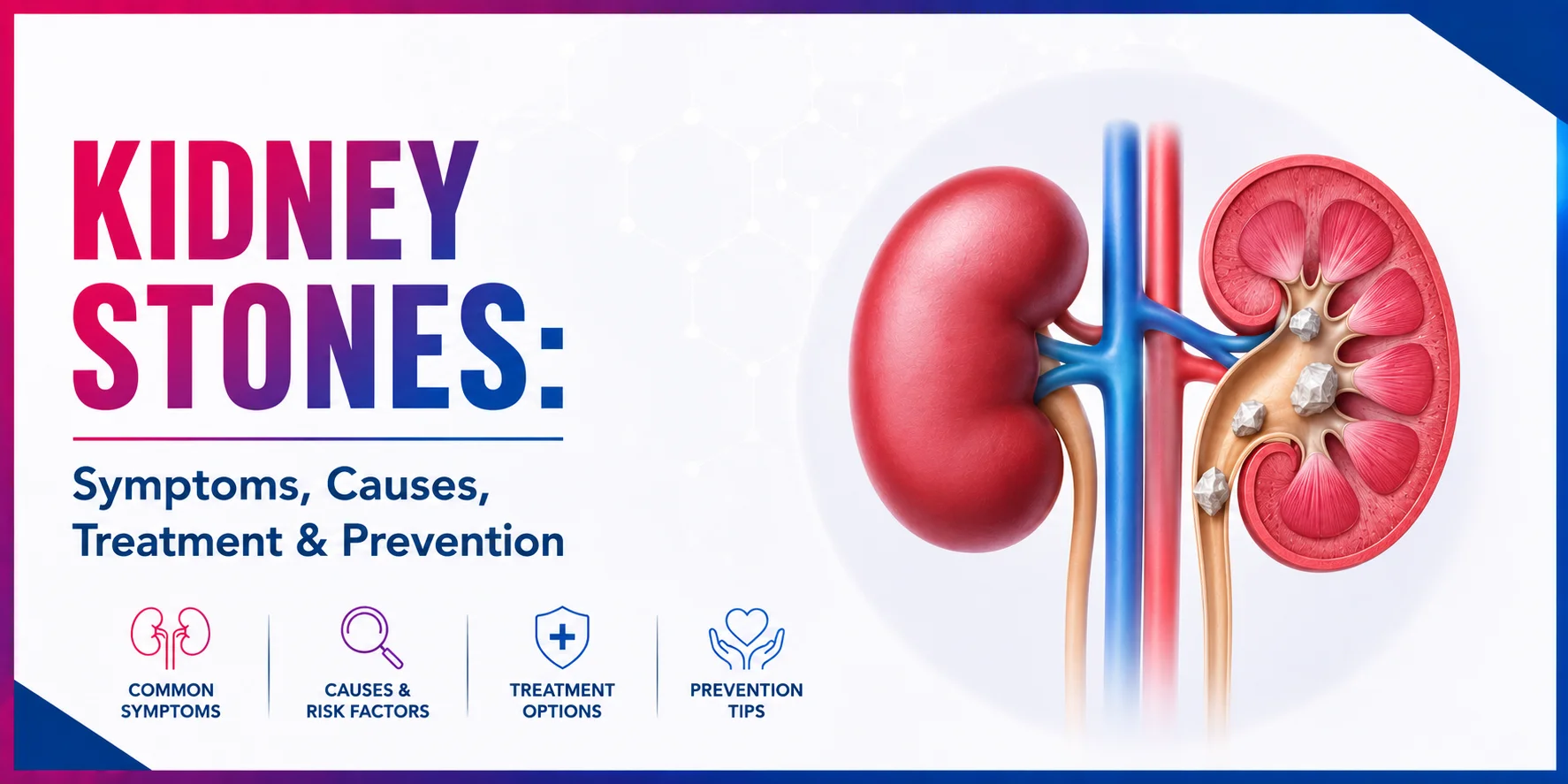
Think of a kidney stone as a tiny, hard clump that forms when minerals and salts in your urine stick together instead of flushing out normally. Sometimes it’s as small as a grain of sand and you won’t even notice it pass. Other times it grows bigger even up to the size of a golf ball in rare cases and that’s when things get painful.
Kidney stones are actually pretty common. A lot of people get at least one in their lifetime, and if you’ve had one before, there’s a good chance you could get another unless you make a few changes. The good news? Most cases are treatable, and your kidneys usually recover just fine. If you want to keep a closer eye on your kidney health in general, our nephrology team at Rungta Hospital can help, especially if stones keep coming back.
Some small stones don’t cause any symptoms at all, they just pass out quietly and you never know they were there. But once a stone starts moving toward the bladder, you’ll usually feel it. Here’s what to watch for:
That last one, fever and chills, is important. If you have that along with the pain, it could mean there’s an infection too, and you shouldn’t wait it out at home. Get checked quickly.
Also worth knowing: some kidney problems show symptoms that look a bit similar to stones at first. If your symptoms feel like they’re sticking around longer than usual, it’s worth reading up on the early signs of kidney failure too, just so you know what else to watch for.
There’s rarely just one cause, usually it’s a mix of habits and conditions that build up over time:
If you’ve had infections in the past along with stone trouble, it’s worth treating both issues together rather than separately, they tend to feed into each other.
Not every stone is made of the same stuff, and knowing your type can really help with prevention later on:
| Type | What Usually Causes It |
| Calcium oxalate | The most common type, usually linked to dehydration, diet, and low citrate in urine |
| Uric acid | Common in people who eat a lot of protein, or who have gout or diabetes |
| Struvite | Forms because of urinary infections, and can grow surprisingly fast |
| Cystine | A rarer type caused by a genetic condition that affects how the body handles certain amino acids |
Your doctor can usually figure out which type you have once a stone is passed or removed, and that’s what they’ll base your prevention plan on.
If your doctor suspects a stone, they’ll usually start by asking about your symptoms and medical history, then run a few tests:
Our urology department at Rungta Hospital handles all of this in-house, so you don’t have to bounce between different places just to get a diagnosis.
Treatment really depends on how big the stone is and where it’s sitting.
If the stone is small:
If the stone is bigger or stuck:
If you’re looking into kidney stone treatment in Jaipur, it really helps to sit down with a urologist and talk through your specific case, since the right treatment can vary a lot from person to person.
Some home habits genuinely help, especially for smaller stones or for prevention:
That said, things like special juices or “miracle” remedies you see online usually don’t do much for bigger stones. Hydration and diet consistency genuinely matter more than any single trick.
Stones have a frustrating habit of returning if you don’t make a few changes:
What are the early signs of kidney stones? Usually a sharp pain in the back or side, painful urination, blood in the urine, and feeling nauseous. Tiny stones might not cause any symptoms until they start moving.
How are kidney stones diagnosed? Through a urine test, a blood test, and imaging like an ultrasound or CT scan to see the stone’s size and exact location.
Can kidney stones be treated without surgery? Yes, often. Smaller stones usually pass with enough water and the right medication. Surgery is mostly needed for bigger stones that are stuck or causing complications.
What foods cause kidney stones? Salty foods, too much animal protein, and oxalate-rich foods like spinach can raise your risk, especially if you’re prone to calcium oxalate stones.
How can I prevent kidney stones from coming back? Stay consistently hydrated, watch your diet, and manage any underlying health conditions. Regular checkups help too if you’ve had stones before.
Is kidney stone surgery painful? Not really, most procedures are done under anesthesia, so there’s no pain during surgery itself. You might feel a bit sore afterward, but it’s usually mild and manageable.
Mild symptoms can sometimes be managed at home, but don’t wait around if you notice:
These could be signs of a bigger stone, an infection, or a blockage and those need attention right away.
If any of this sounds familiar, don’t tough it out. Book an appointment with our urology specialists at Rungta Hospital, and we’ll figure out exactly what’s going on and the best way to treat it.