Here’s the tricky thing about kidney disease, it doesn’t usually announce itself. Most people don’t realize anything’s wrong until a routine blood test flags it, or until they notice swelling, tiredness, or changes in how often they’re using the bathroom. By then, some damage may have already started. If you’re not sure what the early warning signs actually look like, take a look at our guide on kidney failure symptoms and early signs, it’s worth reading alongside this one.
But whether you’ve just been told you have chronic kidney disease (CKD), you’ve been managing it for a while, or you just want to look after your kidneys before any problems start, food is one of the simplest, most powerful things you can control. It’s also one of the most confusing to get right, with so much conflicting advice out there. So let’s keep this simple: what to eat, what to cut back on, and what an actual day of eating could look like. At Rungta Hospital, we like to pair medical treatment with real, practical food guidance, because honestly, one without the other doesn’t get you very far. In this blog we are going to discuss the kidney diet chart.
Your kidneys are pretty small, but they do a lot of heavy lifting. Every single day, they filter waste out of your blood, keep your fluid levels balanced, manage minerals like sodium and potassium, and help keep your blood pressure in check. When your kidneys aren’t working as well as they should, because of diabetes, high blood pressure, or something else, that filtering process slows down. Waste, extra fluid, and certain minerals that would normally get flushed out start hanging around in your bloodstream instead.
That’s really the whole reason food matters so much here. What you eat and drink directly changes how much sodium, potassium, phosphorus, and protein waste your kidneys have to deal with. Eating “kidney-friendly” doesn’t mean cutting these things out completely, it means keeping them in check, so your kidneys aren’t working overtime.
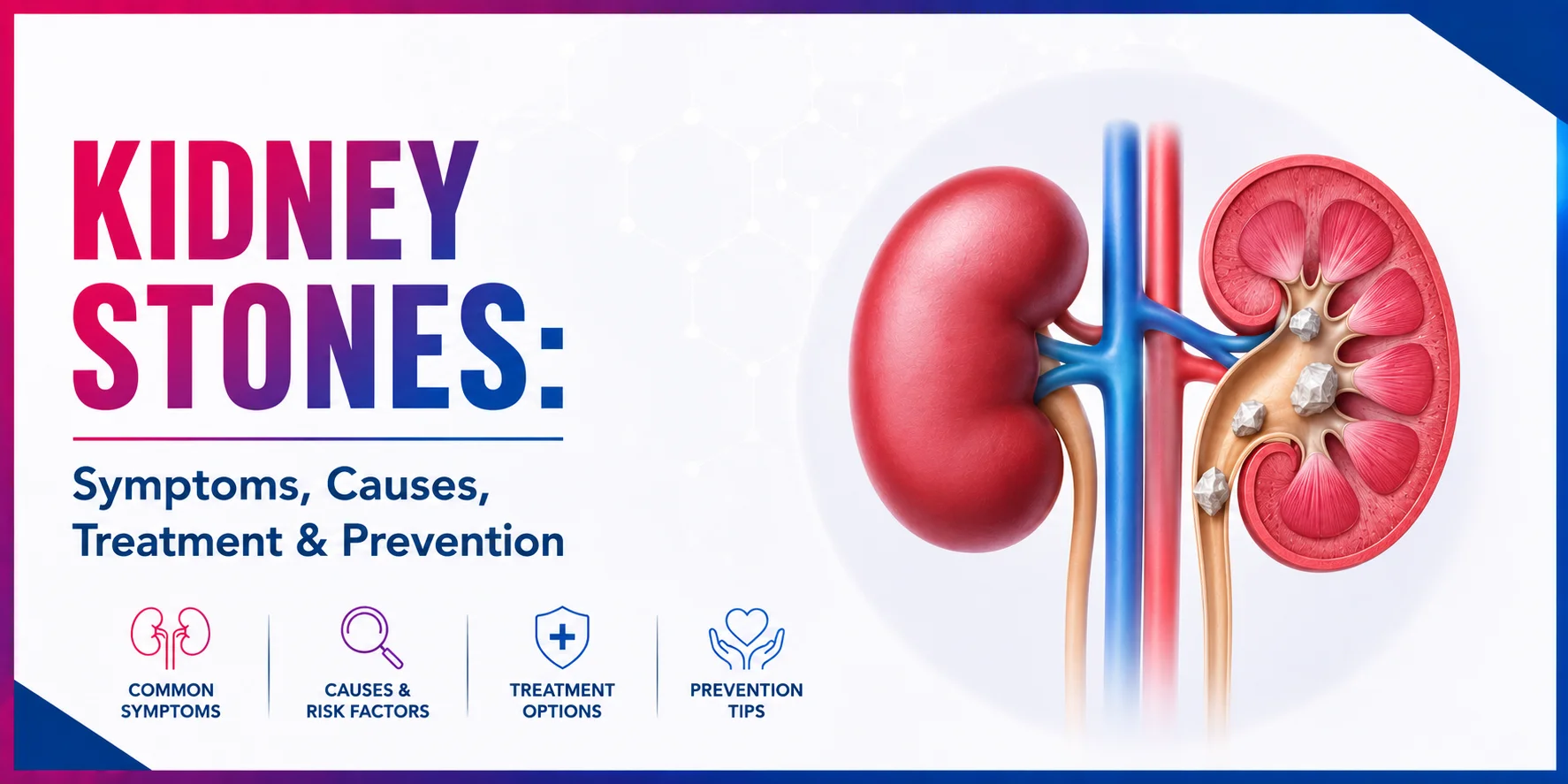
There’s also a bit of overlap with kidney stones here, even though it’s a different condition. Sodium intake and how much water you drink matter for both. If stones have been an issue for you before, our guide on kidney stones – causes, symptoms, and treatment goes into more detail.
Eating for kidney health isn’t about eating less, it’s about eating a bit differently. Here’s what to lean on:
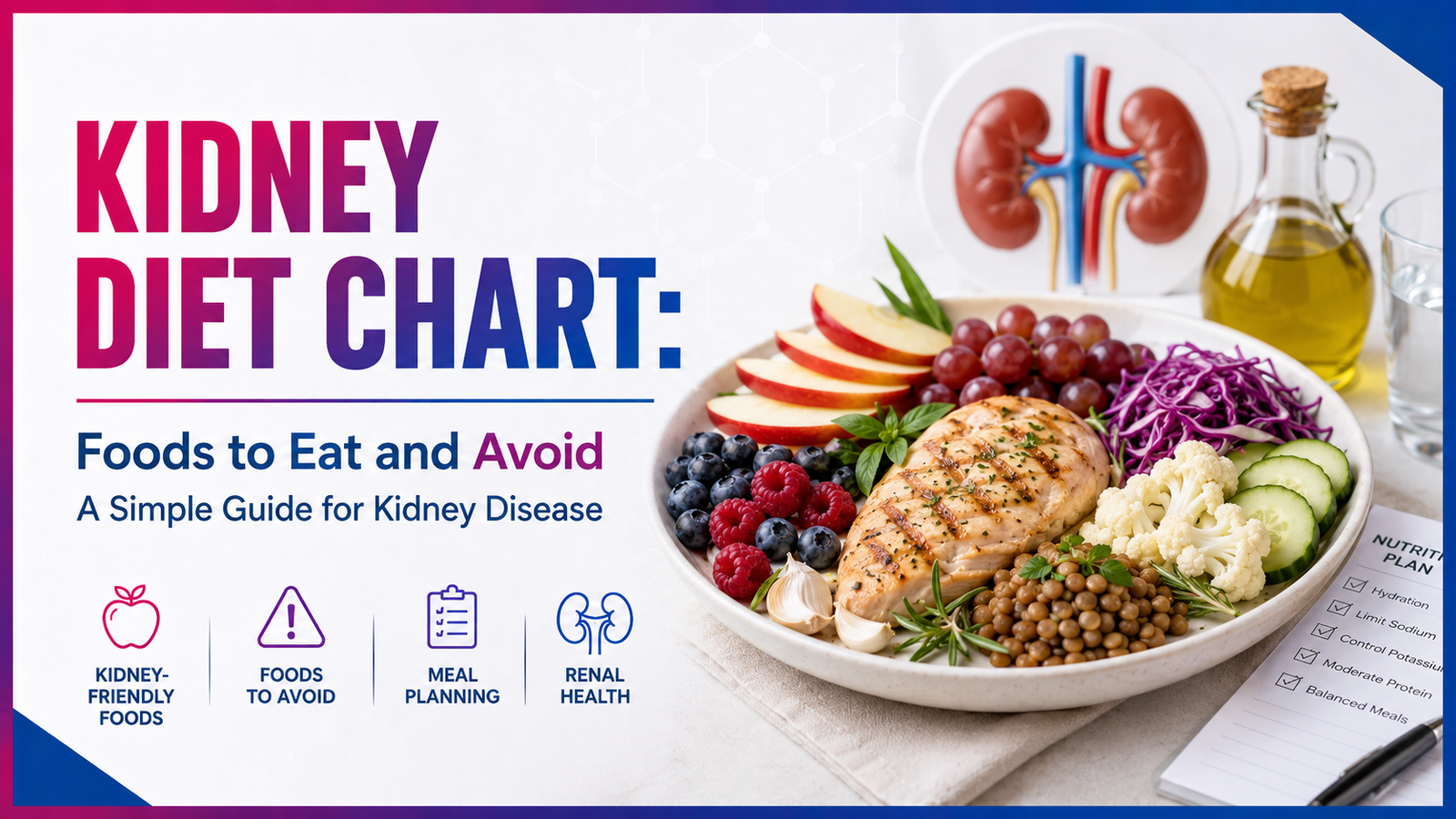
Fruits and veggies that are lower in potassium. Think apples, berries, grapes, cabbage, cauliflower, and cucumbers. These are naturally easier on your kidneys than a lot of other produce. If you need to cut potassium even further, soaking your vegetables and boiling them twice (draining the water in between) can help bring the potassium down.
Herbs and spices, not salt. Garlic, basil, oregano, rosemary, all of these bring real flavor to your food without adding sodium. Once you get used to cooking this way, a kidney-friendly diet stops feeling so restrictive.
Protein, but in the right amount. You do need protein, but too much of it just means more waste for your kidneys to filter out. Smaller portions of chicken, fish, or plant proteins like lentils and beans usually work better than a big plate of red or processed meat.
Good fats. Olive oil is a solid go-to. It’s good for your heart too, and that matters, heart disease often shows up alongside kidney problems.
Cooking at home. When you cook your own meals, you decide how much salt and oil goes in. Restaurant food and packaged meals rarely give you that kind of control.
Three things matter most here: sodium, potassium, and phosphorus. Here’s the deal with each one.
Sodium. Salt makes your body hold onto water, which raises blood pressure and puts more strain on kidneys that are already struggling. The real culprits usually aren’t the salt shaker on your table, it’s processed food, pickles, canned soups, packaged snacks, and restaurant meals. Getting into the habit of checking food labels goes a long way.
Potassium. Healthy kidneys filter potassium out without any trouble. But when kidney function drops, potassium can build up in your blood and start affecting your heart rhythm. Bananas, oranges, potatoes, and tomatoes are the big ones to watch, though exactly how much you need to limit really depends on your own blood test results and how advanced your kidney disease is. There’s no single number that works for everyone.
Phosphorus. Dairy, nuts, and dark colas tend to be high in phosphorus. Over time, extra phosphorus can pull calcium out of your bones and weaken them. Processed deli meats and packaged foods are sneaky here too, since manufacturers often add extra phosphorus that your body absorbs more easily than the phosphorus found naturally in whole foods.
Here’s everything above, boiled down into one simple chart you can screenshot or keep handy:
Nutrient | Eat More Of | Limit or Avoid |
Sodium | Fresh, home-cooked meals; herbs and spices (garlic, basil, rosemary) instead of salt | Pickles, packaged snacks, canned soups, processed and restaurant food |
Potassium | Apples, berries, grapes, cabbage, cauliflower, cucumbers | Bananas, oranges, potatoes, tomatoes |
Phosphorus | Fresh fruits and vegetables, home-cooked whole foods | Dairy products, nuts, dark colas, processed deli meats |
Protein | Moderate portions of chicken, fish, or plant proteins (lentils, beans) | Large servings of red meat or processed meat |
Fats | Olive oil, other unsaturated fats | Butter, fried foods, foods high in saturated or trans fats |
Fluids | As advised by your doctor, varies by stage and dialysis status | Excess fluid beyond what’s recommended for your condition |
A quick way to remember it: fresh over packaged, herbs over salt, and portions over quantity. Keep in mind this chart is a general guide, your own limits for potassium, phosphorus, and fluids depend on your lab results and how advanced your kidney disease is, so use it alongside advice from your doctor or dietitian, not instead of it.
Reading about “sodium” and “potassium” is one thing, actually knowing what to put on your plate is another. Here’s a simple example using everyday, familiar food:
Morning: A small bowl of poha or vegetable upma, lightly seasoned, with a bit of low-potassium fruit like apple or papaya on the side.
Mid-morning: A small handful of unsalted nuts (in a controlled portion), or a cup of herbal tea.
Lunch: A moderate serving of moong dal (soaked and cooked well to bring down potassium), some steamed rice, and a seasonal vegetable sabzi flavored with garlic, cumin, and coriander instead of extra salt.
Evening: A little roasted chana, or another small serving of low-potassium fruit.
Dinner: Grilled or home-cooked fish or paneer, a modest portion, with sautéed cabbage or cauliflower and a small helping of rice or roti.
All day: Water, but how much depends on what your doctor tells you. For a lot of people with CKD, fluid intake needs just as much attention as food does.
Think of this as a starting template, not a strict rulebook. Your actual portions and food choices should really be based on your own lab results, how far along your kidney disease is, and anything else going on health-wise, like diabetes.
Here’s something people don’t always realize: a kidney diet isn’t a “set it and forget it” thing. What you need changes as your kidney function changes.
This is exactly why it’s worth doing this with your doctor and a dietitian, not just Googling your way through it. They can look at your actual numbers, creatinine, potassium, phosphorus and adjust your plan to fit you specifically, not a generic list. If you’re managing CKD and want a plan built around your own situation, our Nephrology department can help you put one together.
Can I still eat fruit if I have kidney disease? Yes, definitely just lean toward lower-potassium options like apples, berries, and grapes, and keep an eye on portions. High-potassium fruits like bananas and oranges usually just need to be limited, not avoided completely.
How much water should I be drinking? It really depends on your stage of kidney disease and whether you’re on dialysis. Some people need to cut back on fluids, others don’t. Your nephrologist is the best person to tell you what’s right for you.
Is the kidney diet the same for everyone? Not at all. It depends on your stage of kidney disease, whether you’re on dialysis, your lab numbers, and any other conditions like diabetes or high blood pressure. Think of this article as a starting point, not a personal prescription.
Can changing my diet reverse kidney damage? Diet can slow things down and take some pressure off your kidneys, but it usually can’t undo damage that’s already happened. It works best as a partner to medical treatment and regular check-ups, not a replacement for them.
Eating for your kidneys isn’t about giving everything up, it’s about giving your kidneys a little less to fight against. Sticking to fresh, home-cooked food, keeping an eye on sodium, potassium, phosphorus, and protein, and adjusting things as your condition changes can genuinely help protect your kidney health over time.
Just remember : everyone’s kidneys and lab numbers are different. Use this as a starting point, then work with your doctor or a renal dietitian to build something that actually fits you. Rungta Hospital’s Nephrology Expert is here to help with both the medical side and the food side, together.