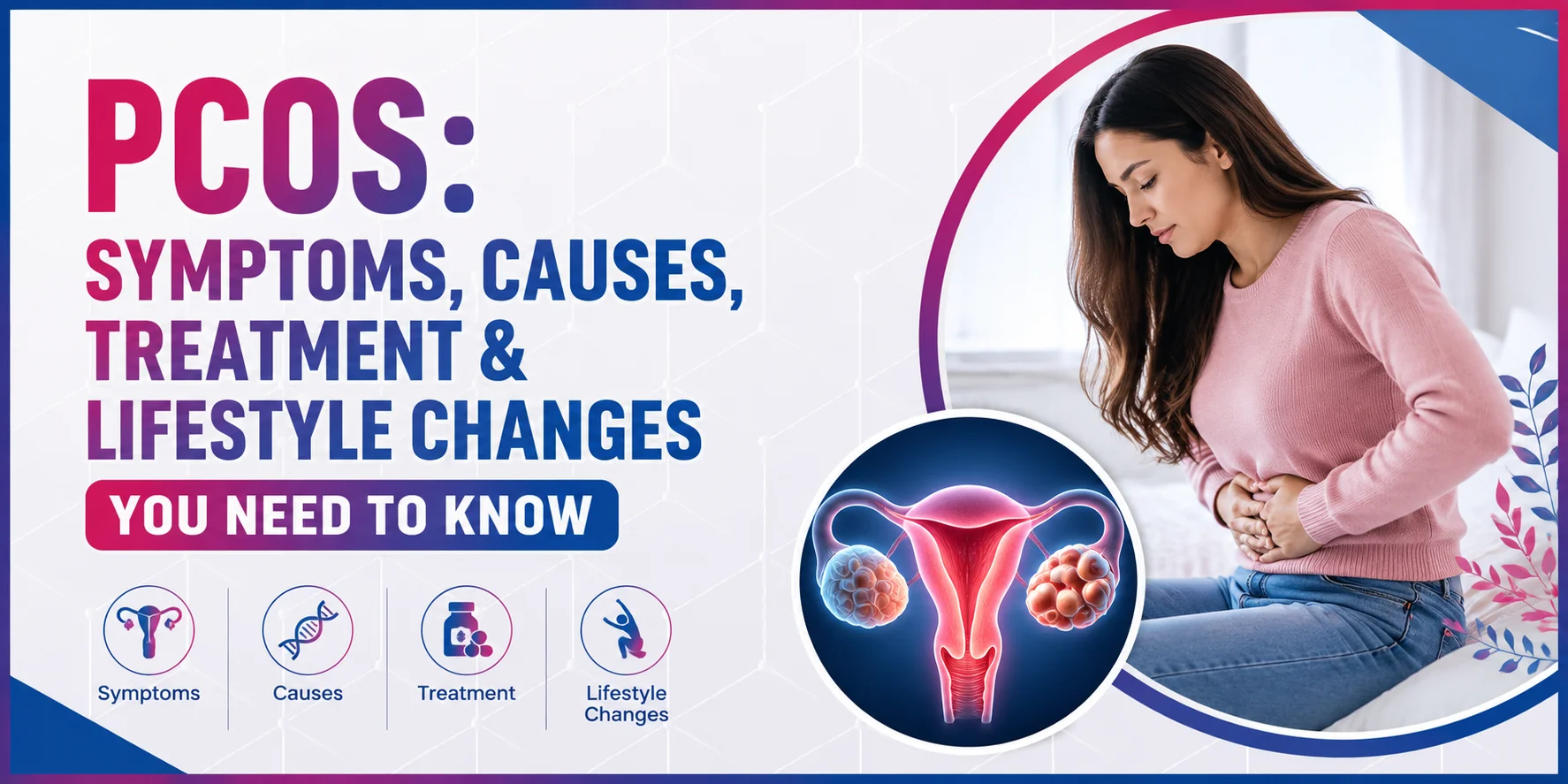

PCOS (Polycystic Ovary Syndrome) is a very prevalent yet poorly understood hormone disorder in women. It’s thought that 10% of women of reproductive age have this condition, but many of them are not diagnosed until years later. PCOS is not just a reproductive problem, it’s a metabolic disorder that impacts your skin, weight, fertility, and your mental health.
You’re not alone if you have been experiencing irregular periods, stubborn weight gain, persistent acne or trouble in conceiving. Although the symptoms are challenging, the hope is that the PCOS symptoms and treatment have changed. If diagnosed early and treated proactively, it can be controlled and treated without subsequent complications such as Type 2 diabetes or heart diseases.
The journey of hormonal health needs guidance and expertise. When you notice these symptoms, it is best to consult with the best gynaecologist in Jaipur to begin your journey towards a healthier life through precise diagnosis and tailored treatment.
PCOS is an acronym for Polycystic Ovary Syndrome. Although the name implies it, it doesn’t necessarily mean that the condition is only diagnosed when cysts are found on the ovaries. It is basically a work related disorder marked by a tremendous hormonal imbalance.
The male hormones (androgens) which the ovary makes in a normal reproductive system are very small. For a woman who has PCOS, her body produces more of these androgens. This hormonal fluctuation affects the growth and maturation of eggs in the menstrual cycle. Eggs can stay in the ovaries as tiny fluid-filled sacs, called “cysts,” when they are not released at the time of ovulation, but they are really immature follicles.
Identifying the PCOS causes is the basis for its management. This imbalance gives rise to a “domino effect” in the body, causing women to suffer from metabolic and physical symptoms every day.
PCOS is often called a “silent” disorder because its symptoms can mimic other health issues. However, when viewed together, these PCOS symptoms in women form a distinct pattern.
Irregular Periods
This is often the first red flag. Many women experience fewer than nine periods a year, cycles that occur more frequently than every 21 days, or periods that are abnormally heavy or prolonged.
Weight Gain
Up to 80% of women with PCOS struggle with weight, particularly around the abdomen. This is usually driven by insulin resistance, making it incredibly difficult to lose weight through traditional dieting alone.
Excess Hair Growth (Hirsutism)
Higher androgen levels can lead to unwanted hair growth on the face, chin, chest, or back. This can be one of the most emotionally distressing symptoms of the condition
Acne and Oily Skin
Hormonal fluctuations increase oil production, leading to severe, often cystic acne that typically appears along the jawline and neck.
Hair Thinning
While body hair may increase, the hair on the scalp may begin to thin or fall out, a condition known as male-pattern baldness or androgenetic alopecia.
Fertility Problems
PCOS is the leading cause of female infertility. Because ovulation is irregular or non-existent, conceiving a child can become a significant challenge for many women.
While the exact “why” behind PCOS is still being researched, doctors have identified several key contributing factors:
There is no single test to “catch” PCOS. Instead, a PCOS diagnosis and treatment plan is built through a process of elimination and a combination of findings. Typically, doctors look for at least two of the following “Rotterdam Criteria”:
Your doctor will perform a pelvic ultrasound to check the appearance of your ovaries and the thickness of the uterine lining. Blood tests are also essential to measure hormone levels and check for glucose intolerance. Seeking expert consultation for accurate PCOS treatment in Jaipur ensures that you aren’t misdiagnosed, as other conditions like thyroid issues can mimic PCOS.
Treatment for PCOS is not “one size fits all.” It depends on your age, the severity of your symptoms, and whether you are trying to become pregnant.
Medications
Weight Management
Losing even 5% to 10% of body weight has been shown to significantly improve insulin sensitivity and can even restore regular ovulation without the need for fertility drugs.
Fertility Support
For those looking to conceive, doctors may prescribe ovulation-inducing medications or suggest advanced treatments like IVF if traditional methods are unsuccessful.
While physical symptoms of PCOS are often talked about, it is also a mental illness. Emotional well-being can be adversely affected by the unrelenting hormonal fluctuations and stress associated with dealing with a chronic condition. It is important to realize that if you feel overwhelmed it isn’t just “in your head”, it is a fact of the syndrome – a documented biological and psychological fact.
Anxiety and Stress
Any disruption in hormone balance, such as cortisol and insulin, can occur naturally and increase anxiety. The stress of an irregular period and worry about the future can lead to a vicious cycle of chronic stress, which is not an issue of biology. Unfortunately, this stress can lead to more hormonal outbursts, and stress management is not a luxury, it’s a matter of the clinical condition.
Mood Swings and Emotional Changes
Strong fluctuations in hormones and/or progestogen and oestrogen levels can result in significant mood swings, irritability and many episodes of low motivation. “Out of character,” emotional sensitivity are common complaints among women. Knowing this, the emotional changes can help alleviate some of the guilt feelings that you might have related to it.
Body Image and Self-Confidence Issues
Physical changes like unintended weight gain, adult acne, and hirsutism (excessive hairiness) may have a profound impact on self-confidence. Social anxiety or feeling uncomfortable in your skin is common. Many of these symptoms can be reversed, however, with early intervention and proper care, you can be confident again.
The most effective lifestyle changes with PCOS are the small, everyday decisions you make. No matter how much medicine you take, your habits create the habitat of your hormones.
Maintain a Healthy Sleep Routine
Sleep is the time when your body regulates hormones and repairs tissue. If you don’t have good sleep habits, sleep can increase cortisol and exacerbate insulin resistance. Get 7-8 hours of sleep, go to bed and get up at the same time every day, and take measures to minimize exposure to screens (blue light) for an hour before retiring to bed.
Choose Anti-Inflammatory Foods
Low-grade internal inflammation is a common association between PCOS. Switching to an anti-inflammatory diet, such as leafy greens, berries, fatty fish and nuts, will calm your system. Limit processed junk foods and sweets, which are inflammatory on the ovaries.
Exercise Regularly
There’s no need to do a marathon to get results. Regular moderate exercise (30 minutes brisk walking, yoga or strength training) helps the cells to react better to insulin. Strength training, especially, is effective since it increases lean muscle mass and burns glucose more efficiently.
Manage Stress Effectively
Chronic stress worsens hormonal imbalances, so it’s important to have a “pressure valve. Slowing the heart down by deep breathing, meditation, a favorite hobby, anything to calm the nervous system will prevent the symptoms from flaring up.
Reduce Sugar Intake
Maintaining steady blood sugar is the ultimate goal of PCOS treatment. Sugar overload causes a surge in insulin and increases the production of testosterone in ovaries. Restricting refined carbohydrates and sugary treats helps to keep hormones balanced, which helps to keep energy levels up and skin clear.
If you are going through a combination of skipped periods, unexpected weight gain or long-term skin problems, do not delay. PCOS is a progressive disorder. It’s best to get a handle on the hormonal imbalance sooner rather than later.
Failing to treat them can cause lasting health problems. In the case of Rajasthan, you have to take PCOS treatment in Jaipur, which will give you a roadmap for early diagnosis and a treatment plan that is customized with the lifestyle you lead.
The initial step towards controlling your body is to comprehend the PCOS symptoms and treatment. Every little step counts from noticing the first signs such as irregular periods, to making lifestyle changes such as a low-GI diet.
Don’t let symptoms of PCOS get in the way of your life and your self-confidence. By working with your doctor and taking steps to improve your health, you can manage your hormones and enjoy a life without the limitations of PCOS.